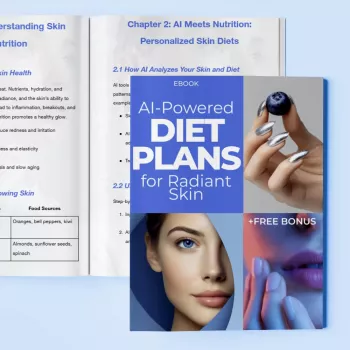
Yes. Many people report losing weight with AI diet plans, especially when the plan is built around realistic calories, higher-protein meals, and consistent tracking. The biggest wins tend to come from how quickly AI can turn goals (like a daily calorie target, a preferred eating schedule, and food likes/dislikes) into a repeatable set of meals and shopping lists—reducing the “what do I eat?” friction that often derails progress.
That said, results vary because the tool is only part of the equation. People are more likely to see steady loss when the AI plan:
A common pattern is early success from structure—then better long-term results when the plan is adjusted. If someone follows an AI plan that underestimates calories, ignores portion sizes, or suggests meals they don’t actually eat, weight loss can stall. On the flip side, AI can be useful for spotting easy swaps (higher-volume foods, smarter snacks, or meal timing changes) that make a calorie deficit feel less punishing.
Accuracy and personalization matter. Entering correct stats, being honest about activity level, and logging real portions improves recommendations. It also helps to use AI for planning rather than permission—keeping meals simple, repeatable, and aligned with your preferences so consistency is easy.
Some AI plans focus on more than weight, building meals around nutrients that support overall wellness (like protein, omega-3s, vitamin C, and zinc). If you want a framework that connects smart nutrition choices with everyday meals, see this guide: AI skin-first meal plans and smart nutrition.
Aim for a modest deficit, usually 250–500 calories below maintenance, and adjust based on 2–4 weeks of trend data. If hunger is high or weight loss is too rapid, increase calories slightly and prioritize protein and fiber.






Leave a comment