×
Back to menu
HomeBlogBlogAI Skin-First Meal Plans: Smart Nutrition for Radiance

AI Skin-First Meal Plans: Smart Nutrition for Radiance

AI Skin-First Meal Plans: Smart Nutrition for Radiance

AI-Powered Diet Plans for Radiant Skin: Smart Nutrition Guide and Personalized Skin-First Meal Planning

Radiant skin is influenced by more than skincare routines—daily nutrition, hydration, sleep, and stress all shape how skin looks and feels. A personalized, AI-driven diet approach can turn broad advice into a practical plan that fits dietary preferences, sensitivities, and goals such as clearer texture, steadier energy, and healthy weight management. The result is less guesswork: consistent meals built around the nutrients that help skin function at its best.

Why nutrition shows up on the skin

Skin is an active, renewing organ that depends on steady building blocks and protective nutrients. When food quality or energy intake swings wildly, skin comfort and appearance can shift along with it.

  • Barrier strength relies on adequate protein, essential fatty acids, vitamins, minerals, and overall calorie balance.
  • High-glycemic eating patterns and frequent ultra-processed foods may worsen breakouts for some people; steadier blood sugar can support clearer-looking skin. For acne-focused guidance, see the American Academy of Dermatology Association: Diet and acne.
  • Hydration and electrolytes help maintain skin comfort and reduce the look of dullness, especially with dry indoor air or regular exercise.
  • Gut comfort matters: recurring bloating, constipation, or obvious food-trigger patterns can coincide with skin flare-ups for some individuals.
  • Consistency beats perfection: small daily upgrades typically outperform short “cleanse” cycles.

How an AI-personalized plan works for skin goals

Most people already know a handful of “healthy foods,” but translating that into repeatable meals that fit a real schedule is the hard part. AI personalization helps by turning preferences and constraints into a structured routine you can actually follow.

  • Collects inputs such as age range, activity level, food preferences, schedule, cooking time, and goals (radiance, acne-prone support, dryness, sensitivity).
  • Adapts macro targets (protein, carbs, fats) to support stable energy and satiety—useful for weight management while protecting nutrient intake.
  • Suggests meals and snack options rich in skin-supportive nutrients (omega-3s, vitamin C, vitamin A precursors, zinc, selenium, fiber).
  • Creates shopping lists and swap options to fit allergies/intolerances (e.g., dairy-free, gluten-free, pescatarian).
  • Tracks feedback loops: if the plan feels too restrictive or causes digestive discomfort, it can be adjusted toward sustainable adherence.

Skin-supportive nutrients and where to get them

Skin-first eating isn’t about “perfect” foods; it’s about repeatably hitting the nutrients that support normal skin function. For evidence-based nutrition fundamentals, the Harvard T.H. Chan School of Public Health: The Nutrition Source is a helpful reference, and for vitamin details, see the NIH Office of Dietary Supplements: Vitamin C Fact Sheet.

  • Protein: supports repair and structural proteins; spread it across meals (lean poultry, fish, tofu, beans, Greek yogurt if tolerated).
  • Omega-3 fats: support skin barrier comfort (salmon, sardines, chia, flax, walnuts).
  • Vitamin C: supports collagen formation and antioxidant defense (citrus, kiwi, strawberries, bell peppers, broccoli).
  • Carotenoids (pro–vitamin A): contribute to a healthy glow (carrots, sweet potato, spinach, kale).
  • Zinc and selenium: support normal skin function (pumpkin seeds, seafood, eggs, Brazil nuts—mind portion size).
  • Fiber and polyphenols: support gut health and inflammation balance (berries, legumes, whole grains, cocoa, green tea).
  • Hydration strategy: water plus hydrating foods (cucumber, soups, melon) and mindful caffeine/alcohol timing.

Nutrients commonly linked with healthy-looking skin

Nutrient Food sources How it supports skin
Omega-3 fatty acids Salmon, sardines, chia, flax, walnuts Supports skin barrier comfort and balanced inflammation
Vitamin C Kiwi, citrus, berries, bell peppers Supports collagen formation and antioxidant protection
Zinc Pumpkin seeds, oysters, beef, chickpeas Supports normal skin function and wound healing
Protein Eggs, poultry, tofu, lentils, yogurt Provides amino acids for repair and structural proteins
Carotenoids Carrots, sweet potato, spinach, kale Antioxidant support; contributes to a healthy glow

A practical framework the AI plan can follow

Personalization works best when it’s paired with a simple structure. A good AI plan doesn’t just generate recipes—it creates “defaults” that make nutritious choices nearly automatic.

Sample day of skin-first smart nutrition (adjusted to preferences)

Using the eBook plan effectively

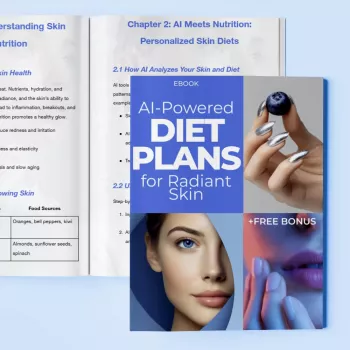
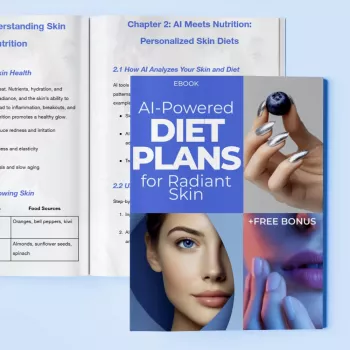
For a guided, skin-first structure, see the AI-Powered Diet Plans for Radiant Skin | Smart Nutrition Guide | Personalized ai diet plan for skin health eBook. For habit and routine support beyond nutrition—especially if consistency is the challenge—pairing it with a structured discipline resource can help reinforce follow-through, such as the No-Buy Year Wardrobe Discipline Toolkit | 3-in-1 Digital Bundle for Fashion Enthusiasts.

Safety and when to get professional guidance

Who benefits most from AI-driven personalization

FAQ

Has anyone lost weight with an AI diet plan?

Yes—results vary, but many people lose weight when an AI plan helps create a consistent calorie deficit while keeping protein and fiber high for satiety. Progress depends on adherence, accurate portions, and giving the plan enough time to work.

How long does it take to see skin changes from diet?

Energy, cravings, and digestion can shift within days to a few weeks, while visible skin changes often take several weeks because skin turnover is gradual. Consistency and reducing personal trigger exposure matter more than short bursts of “perfect” eating.

Can an AI meal plan help with acne-prone or sensitive skin?

It can support patterns associated with breakouts for some people—like steadier blood sugar, adequate omega-3 intake, and better overall nutrient density. It isn’t a medical treatment, so persistent or severe acne should be evaluated by a dermatologist.

Leave a comment

Why jocunda.com?

Uncompromised Quality
Experience enduring elegance and durability with our premium collection
Curated Selection
Discover exceptional products for your refined lifestyle in our handpicked collection
Exclusive Deals
Access special savings on luxurious items, elevating your experience for less
EXPRESS DELIVERY
FREE RETURNS
EXCEPTIONAL CUSTOMER SERVICE
SAFE PAYMENTS
Top

Shopping cart

×