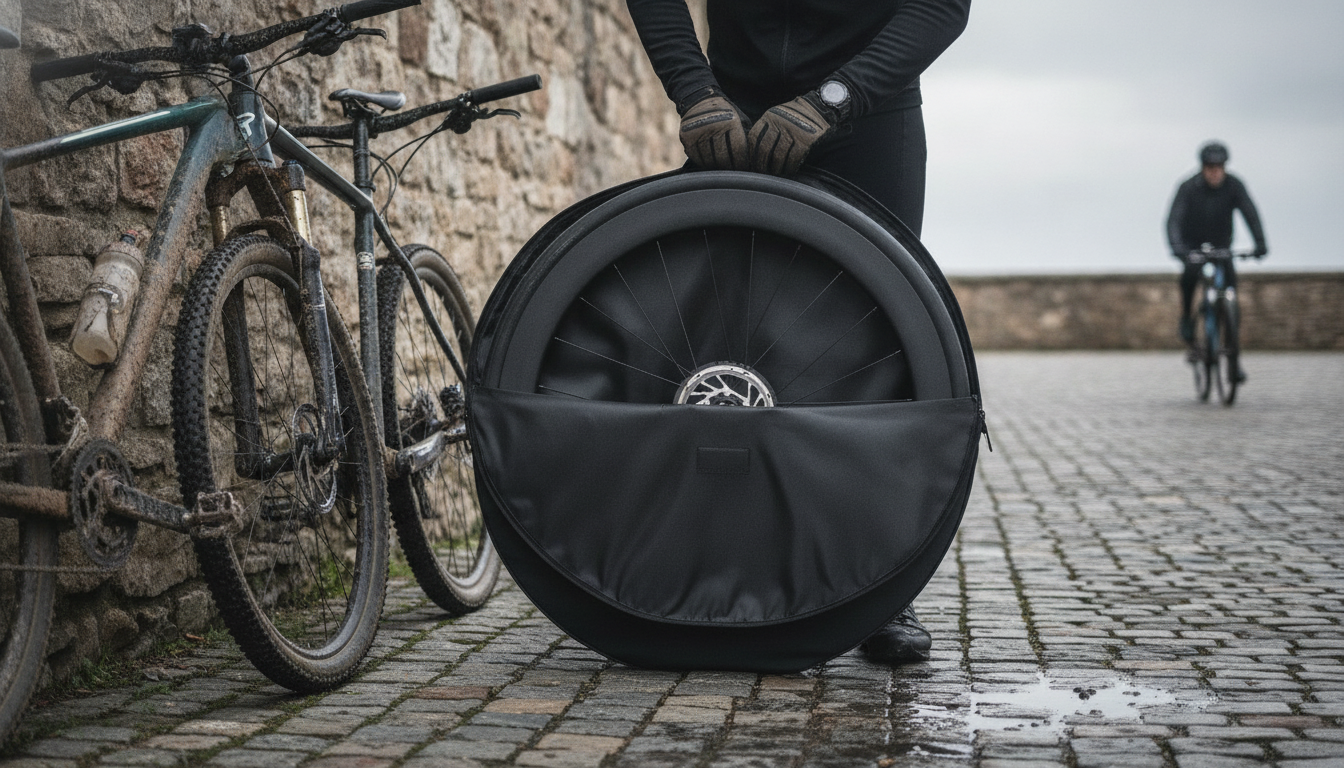
A wheelset carry bag protects rims, hubs, and rotors from impacts, grime, and weather during travel and storage. Whether you’re headed to a weekend event, stashing a spare set in the garage, or loading the car for a road trip, the right bag helps your wheelset arrive ready to ride—without scuffs, bent rotors, or oily marks on your upholstery. For more guidance, see Where the Pavement Ends – Adventure Cycling Association.
A well-built wheel bag does more than “cover” your wheels. It reduces the everyday damage that happens when wheels roll around in a trunk, rub against each other in a gear pile, or get dragged across gritty pavement. For further reading, see Portland Biking Guide.
If you’re flying with wheels or expecting heavy stacking, a soft bag is best treated as a protective layer inside a larger travel system. For most car travel, race day transport, and organized storage, a padded waterproof bag hits the sweet spot.
Durability and weather protection come down to materials, stress-point construction, and how the bag holds wheels in place. Look for features that prevent shifting and isolate vulnerable parts.
For disc wheels, rotor protection is a top priority. Even a minor knock can create rotor rub; if you need a refresher on rotor straightening principles and precautions, Park Tool’s guide is a helpful reference: Park Tool — Disc Brake Rotor Truing.
“Fits most wheels” can mean very different things depending on tire volume, rotor size, and hub spacing. Before buying, confirm the bag’s internal diameter and thickness of padding, then think through how you’ll pack.
As a quick rule: 29er MTB and 700c road share a similar diameter, so fit typically comes down to tire width and how much “breathing room” the bag provides around the outer edge and hub area.
Different transport scenarios call for different protection levels. If most trips are by car, a padded bag is usually the easiest solution to carry, store, and use frequently.
| Option | Protection Level | Weight/Bulk | Best For | Watch Outs |
|---|---|---|---|---|
| Padded waterproof wheel bag | Medium–High | Low–Medium | Car travel, events, storage | Add rotor/cassette guards for disc wheels |
| Hard wheel case | High | High | Flights, rough handling | Cost, storage space, carrying weight |
| DIY padding + straps | Low–Medium | Varies | Occasional local transport | Shifting, exposed rotors/cassette, moisture |
Good packing prevents most damage. The goal is simple: keep wheels from moving, keep sharp/metal parts from contacting the opposite wheel, and keep moisture out.
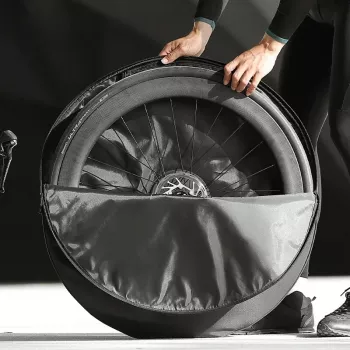
If you want a practical, everyday solution for protecting a full wheelset, the Durable Waterproof Wheelset Carry Bag for MTB & Road Bikes is designed to deliver protective, weather-resistant coverage for common MTB and road setups. It’s a strong choice for event travel, keeping a spare race wheelset protected, or storing wheels during the off-season.
If your wheelset travel often happens as part of a longer road trip (driving to races, trail networks, or bike parks), keeping a simple troubleshooting reference in your glove box can be handy too: Engine Light Decoded – Check Engine Light Guide.
Most can, because 29er and 700c share a similar overall diameter. Fit still depends on the bag’s internal diameter and how wide your tires are, especially if you’re packing wheels with tires installed.
For long or rough travel, removing rotors offers the best protection. If you keep them on, use rotor guards, keep rotors from touching the other wheel with a divider, and cinch hub straps so nothing shifts.
Most “waterproof” wheel bags are highly water-resistant: coated fabric and zipper flaps handle spray and light rain well. In heavy, prolonged rain, avoid letting the bag sit in standing water and consider extra cover if exposure is unavoidable.



Leave a comment