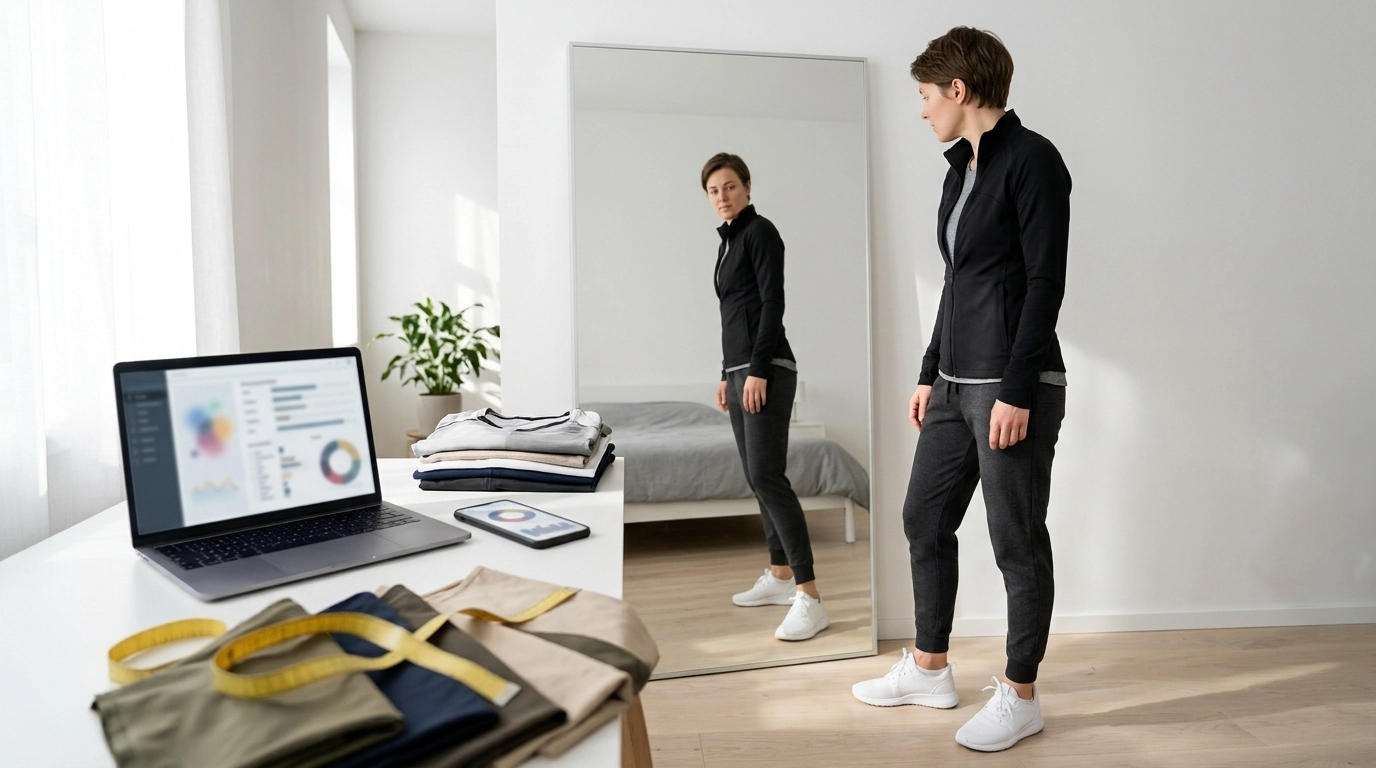
AI-driven style reviews can remove much of the guesswork from choosing Puma pieces that suit a body type, color palette, and real-life routines. The goal is simple: get clearer recommendations on fit, proportions, outfit balance, and styling combinations—then make confident, repeatable decisions that still feel personal. When you pair consistent inputs (measurements, photos, and context) with brand specs, you get feedback that’s easier to act on and easier to replicate the next time you shop.
An AI-driven style review translates visual inputs—photos, outfit shots, and product images—into structured feedback on silhouette, color harmony, and styling cohesion. Instead of vague “looks good” notes, you can get guidance on where an outfit feels top-heavy, where the hemline breaks the leg line, or why a color combo reads too high-contrast.
Done well, it also suggests Puma items and outfit pairings aligned to a stated purpose: commuting, gym, travel, casual streetwear, or smart-casual. If you include measurements and garment specs, it can highlight likely fit issues (tightness, length, rise, shoulder width) before you order.
What it doesn’t do: replace trying items on. Results improve dramatically when you combine AI feedback with accurate measurements, Puma size charts, and honest comfort preferences. A style review works best as a decision system—consistent inputs, repeatable scoring, and a short list of “go-to” silhouettes and color families.
Better inputs create better recommendations. Start with measurements you can repeat: height, weight range, chest/bust, waist, hips, inseam, shoulder width, and preferred fit (slim, regular, relaxed). Then add photo guidelines that reduce distortion: neutral lighting, a straight-on camera angle, front/side/back views, and at least one outfit that feels “close but not perfect.”
Context matters just as much as body metrics. Include your climate, typical footwear, commute style, workplace formality, and how often items will be washed or worn. Add preference anchors—three words that describe the desired look (for example: clean, sporty, modern) plus one “avoid” word (loud, clingy, boxy). Finally, list constraints: budget range, fabric sensitivities, and movement requirements (running stride, cycling, gym range of motion).
For hard specs, reference the official PUMA Size Charts so the recommendations reflect actual measurements, not guesswork.
A scoring method makes style decisions faster and less emotional. Use the same five scores every time so you can compare outfits across categories:
| Step | What to provide | What to look for in the output |
|---|---|---|
| 1. Baseline profile | Measurements + fit preference + 3 style words | Recommended size range, key silhouettes, fit cautions |
| 2. Palette anchor | 2-4 preferred neutrals + 1 accent color | Color matches, best contrast levels, avoid list |
| 3. Outfit context | Occasion + weather + footwear + bag | Layering strategy, fabric suggestions, practicality notes |
| 4. Item evaluation | Product photo/link + intended pairing | Fit/proportion feedback, swap suggestions, styling options |
| 5. Wardrobe integration | List of existing staples | 3-7 outfit formulas, priority purchase order |
Most sizing frustration comes from mixing up “size” with “fit.” Two people can wear the same labeled size but need completely different cuts—taper vs. straight, cropped vs. regular, relaxed vs. slim. Use inseam and rise to prevent two common pain points: bunching at the ankle and pulling at the hips.
For jackets and hoodies, check shoulder seam placement first. A small shoulder mismatch throws off sleeve drape, torso line, and layering comfort. For sneakers, identify the intended use—daily walking vs. training—and include sock thickness and foot width notes in the review. When you’re between sizes, decide based on the most sensitive area: often shoulders for tops and hips/thighs for bottoms.
For responsible AI use and expectations, it helps to understand high-level guidance like the NIST AI Risk Management Framework and the FTC guidance on AI and automated decision-making.
Include chest/bust, waist, hips, inseam, and shoulder width, plus your preferred fit (slim, regular, relaxed). Name the specific Puma item type and mention where tightness usually happens and whether you plan to layer.
Yes—anchor on versatile silhouettes (a clean sneaker, tapered pant, simple top) and a tight neutral palette, then switch one layer or accessory to shift the outfit’s purpose. That swap can move you from performance-first to more casual or more polished without changing the base.
Use two core neutrals and one accent color, then check that the accent doesn’t compete with logos or graphics in the same area. Matching undertone temperature (warm vs. cool) across tops, bottoms, and footwear keeps the outfit looking intentional.



Leave a comment