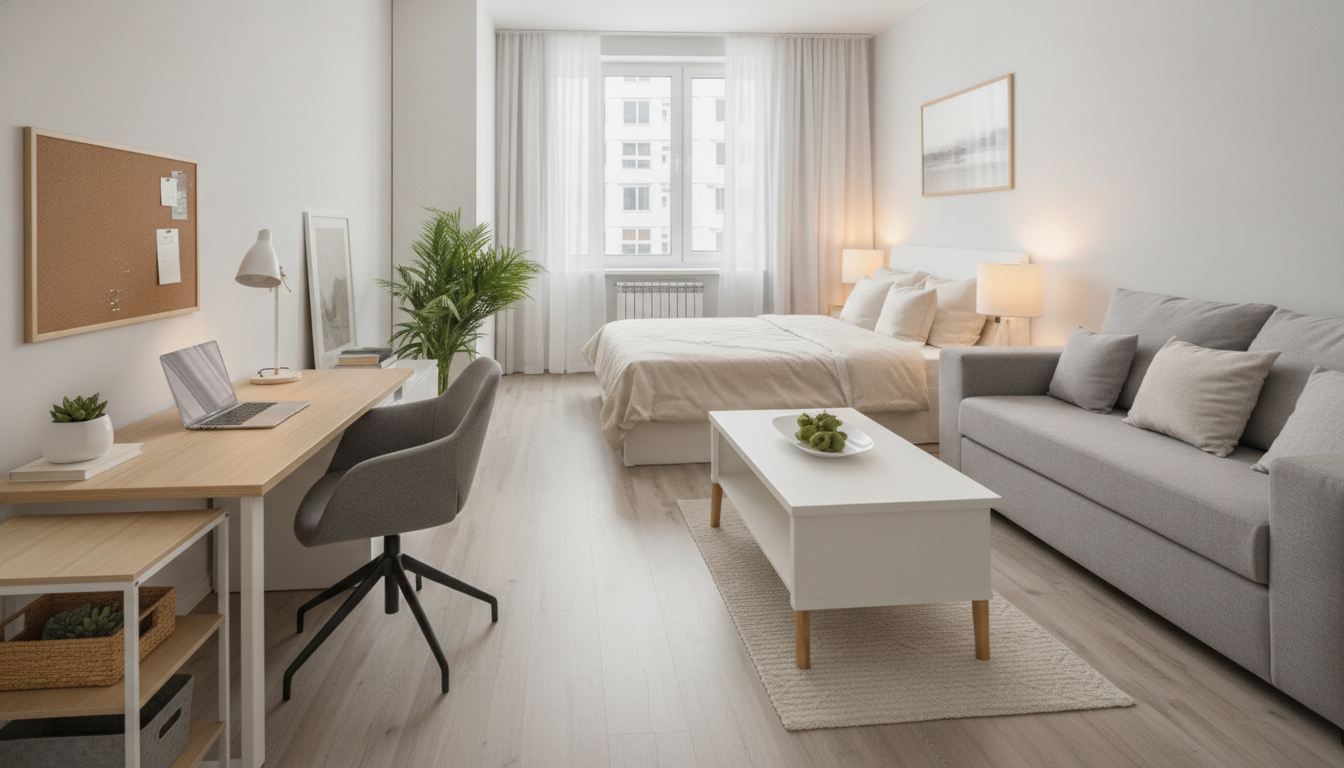
A two-in-one bedroom can be equal parts restful retreat and high-functioning workspace, dressing area, nursery corner, or hobby zone—without looking cluttered or feeling cramped. The key is to define purpose, control visual noise, and make every piece earn its footprint. With clear zones, flexible furniture, and simple reset routines, the room can work hard during the day and still feel like a bedroom at night. For more guidance, see What kind of bed should I get for my dog with arthritis?.
Before moving furniture or shopping for “space-saving” solutions, decide what the second use truly is: a home office, dressing room, nursery corner, workout nook, reading lounge, guest-ready flex setup, or a storage-heavy sanctuary. Being specific prevents the room from turning into a catchall. For further reading, see How to Choose the Perfect Pet Bed for Your Dog’s Sleeping Style.
Next, set non-negotiables for sleep: clear walking paths, calming lighting, breathable bedding, and minimal glare at night. Sleep hygiene basics matter even more when the bedroom also hosts a desk, baby gear, or equipment; the National Sleep Foundation’s sleep hygiene guidance is a helpful reference for building nighttime-friendly habits.
Measure the room and note immovable constraints (windows, closet doors, outlets, vents/radiators). Then assign priority: the bed stays the visual anchor, and the secondary zone should look intentionally integrated—not like a temporary afterthought.
| Pairing | Best layout move | Storage focus | Style tip |
|---|---|---|---|
| Bedroom + Home office | Desk near daylight; bed remains farthest from door if possible | Cable management + paper control | Match desk finish to nightstands for cohesion |
| Bedroom + Dressing room | Mirror and wardrobe zone near closet; leave a clear “getting ready” lane | Vertical drawers + accessory organizers | Use a unified palette for textiles to reduce visual clutter |
| Bedroom + Nursery corner | Crib near a wall away from cords/windows; rocking chair in a calm corner | Diapering station bins + closed storage | Repeat one accent color across both zones for harmony |
| Bedroom + Workout nook | Equipment stored flat/vertical; open floor area where the door swing won’t interrupt | Hidden equipment storage + hooks | Keep “active” colors limited; lean on neutrals |
| Bedroom + Guest-ready flex space | Fold-down/fold-out solutions; keep linens accessible | Linen storage + multipurpose seating | Add one statement piece to make it feel designed, not improvised |
Zoning is what makes dual-purpose rooms feel calm. Start with rugs: one larger rug grounding the bed and a smaller rug under a desk, chair, or vanity to “declare” the second area. This keeps the layout readable even when both zones are in use.
If you need more separation, choose lightweight dividers that preserve airflow and natural light: an open bookshelf, a slatted screen, or a ceiling curtain track. Keep visual weight balanced by letting the bed remain the calm focal point, and make the secondary zone visually quieter with closed storage and minimal surfaces.
To avoid a patchwork look, repeat consistent finishes across zones—similar wood tones, one metal color, and a tight fabric family. For more inspiration on making small rooms feel intentional, browse Architectural Digest’s small bedroom ideas for proportion and styling cues.
Two-in-one bedrooms succeed or fail based on everyday usability. Start with storage-forward essentials: platform beds with drawers, lift-up storage frames, ottomans with hidden compartments, and storage benches at the foot of the bed. These pieces “hold” the secondary function without letting it spread.
For the second zone, favor fold-away or slim-profile items: wall-mounted desks, drop-leaf tables, nesting stools, and foldable chairs that store vertically. These reduce bulk and make it easier to reclaim floor space when the room needs to feel calmer.
Use a “one surface rule” to keep functions from colliding. If the desk doubles as a vanity, designate where items live when the function changes (a lidded bin for makeup, a file box for papers, a drawer insert for chargers). And don’t skip ergonomics: a supportive chair, correct desk height, and proper task lighting prevent the workspace from becoming the spot where clutter collects.
Use clear zoning (a rug or lightweight divider), keep work items in closed storage, and do a nightly reset so the room visually “powers down.” Warm bedside lighting plus a separate task lamp at the desk helps the space feel restful at night.
Under-bed storage (or a lift-up storage bed) typically saves the most square footage. Pair it with a slim or wall-mounted desk, nesting seating, and vertical closed cabinets to keep the floor open.
Assign a home for every category, keep most storage closed, and limit what lives on surfaces. A short daily reset plus a weekly sweep prevents the secondary zone from spreading into the sleep zone.





Leave a comment