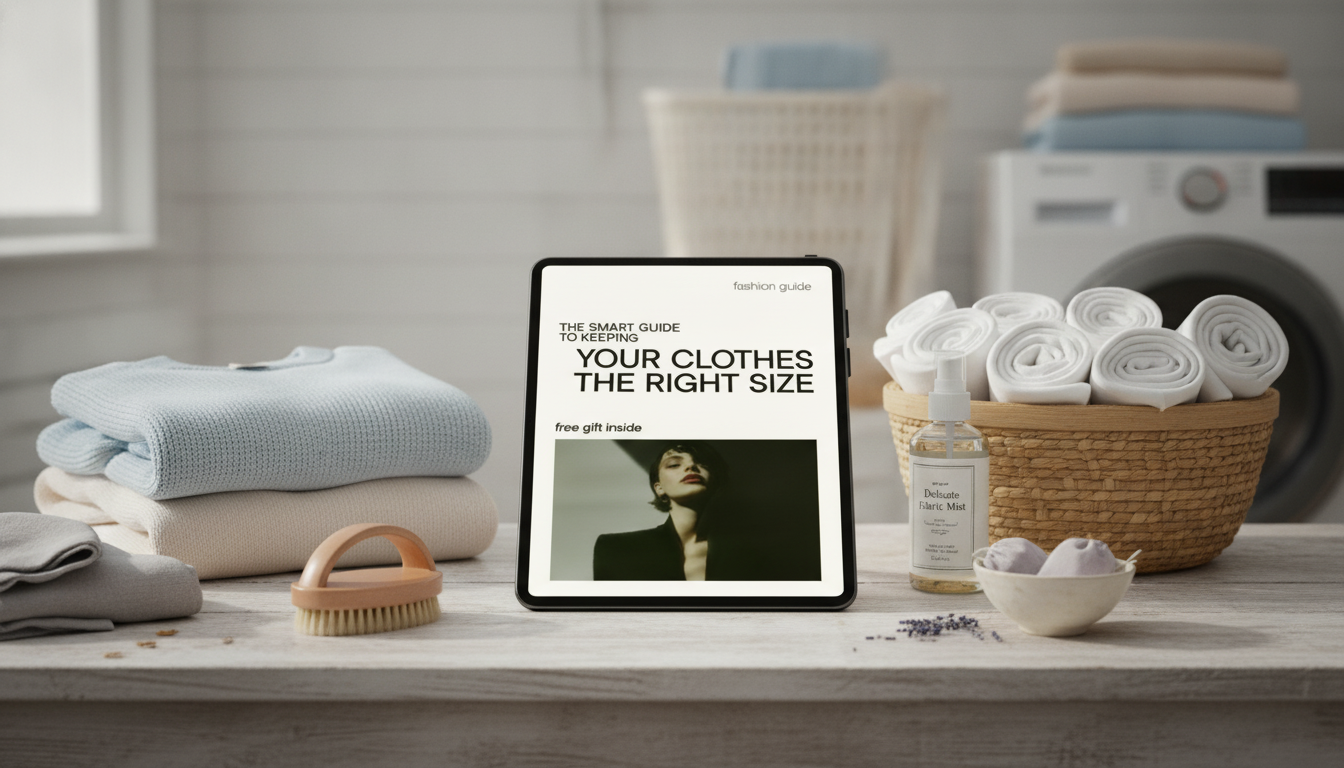
Shrinkage is usually the result of heat, agitation, and moisture changing fibers or relaxing yarns—especially in cotton, wool, and rayon blends. With a few habit changes (reading care labels, dialing in water temperature, choosing the right drying method, and storing garments correctly), most size loss can be prevented and your wardrobe can stay consistent for years.
Most “mystery shrink” comes down to how fibers react when they’re warmed, soaked, and moved around. Heat causes many fibers to contract, and high dryer heat is the most common trigger. Agitation can tighten knit structures and felt wool, making garments smaller, denser, and less flexible.
Moisture plus heat can relax and then re-set fibers, which is why “wash warm + dry hot” is a frequent shrink recipe. In some cases, what looks like shrinkage is fabric returning to its original dimensions after being stretched under manufacturing tension (common in cotton knits). Blends behave differently: small percentages of synthetics can reduce shrink risk, but they don’t eliminate it—especially if the blend includes rayon/viscose or elastane.
Care labels are the fastest path to consistent sizing. Match water temperature, cycle type, and drying method to the garment’s icons or written directions. The Federal Trade Commission’s Care Labeling Rule explains why these instructions exist and why they matter for performance and longevity.
If a label is missing, default to cold water, a gentle cycle, and air-dry (or low-heat drying). It also helps to separate “shrink-sensitive” items—cotton tees, denim, wool, rayon/viscose—into a dedicated load with conservative settings. If a garment says “dry flat,” avoid hanging it while wet; gravity can stretch the knit and distort the fit.
A consistent routine beats constant troubleshooting. Use cold water for most loads and reserve warm/hot water for heavily soiled items that are not shrink-prone. Choose gentle or delicates for knits and anything with elastane/spandex to reduce mechanical stress and twisting.
Turn garments inside out to reduce surface abrasion and help maintain shape. Avoid overloading the washer; crowded loads increase friction and can lead to uneven cleaning (and extra “re-washing,” which adds more agitation). For lightweight knits and delicate items, a mesh laundry bag helps cut down on stretching and tangling. For a solid fundamentals refresher, the American Cleaning Institute’s laundry basics are a reliable reference.
If you change only one habit, change drying. Air-drying is ideal for cotton knits, wool, and rayon; if you do use a dryer, select low heat. Remove items promptly at “just dry” or even slightly damp—this avoids extra heat exposure while the fibers are most reactive.
Reshape while damp: align seams, smooth hems, and lay sweaters flat so the garment dries in the dimensions you want. Avoid “high heat + timed dry” for anything that fits closely or contains stretch fibers. Dryer balls can reduce total drying time, which means less cumulative heat exposure and better airflow.
| Fabric | Wash Setting | Drying Choice | Extra Notes |
|---|---|---|---|
| Cotton (tees, knits) | Cold, gentle/normal | Air-dry or low heat | High heat shrinks quickly; reshape seams while damp |
| Denim | Cold, gentle/normal | Air-dry preferred; low heat if needed | Wash less often; turn inside out to reduce fading and stress |
| Wool | Cold, wool/delicate | Dry flat | Avoid agitation and heat to prevent felting; see Woolmark care guidance |
| Rayon/Viscose | Cold, gentle | Air-dry flat or hang carefully | Can shrink and become misshapen; reshape immediately after washing |
| Polyester/Nylon blends | Cold or warm, normal | Low to medium heat | More stable, but high heat can warp and damage elastane |
| Elastane/Spandex blends | Cold, gentle | Air-dry or low heat | Heat degrades stretch over time; avoid fabric softener buildup |
Some shrinkage is “silent”—it accumulates slowly until one day a shirt feels tight. Using hot water by default is a common culprit, especially in mixed loads that include cotton knits. Another frequent issue: selecting sanitize/steam/high-heat cycles for everyday clothing rather than reserving them for towels and bedding.
For a deeper, organized routine covering washing, drying, and long-term habits that keep fit consistent, use a dedicated reference you can revisit when adding new fabrics to your wardrobe: The Smart Guide to Keeping Your Clothes the Right Size.
If you’re trying to reduce replacements and get more wears out of what you already own, pair the laundry routine with a wardrobe plan like the No-Buy Year Wardrobe Discipline Toolkit.
Cold water reduces fiber swelling and relaxation, which lowers the odds of shrinkage. However, the dryer’s heat is usually the main factor, so the most reliable combo is cold water plus a gentle cycle plus air-drying or low heat.
Some fabrics vary in how well they were pre-shrunk, and repeated heat exposure can still tighten fibers over time. Over-drying is a common issue even with correct washing—try lowering dryer heat and removing items slightly damp to finish air-drying.
Sometimes—especially with knits—shrinkage can be relaxed by re-wetting in cool water and gently reshaping to the desired measurements while damp. Heat-set shrinkage or felted wool can be permanent, so use a careful blocking approach and avoid aggressive pulling.






Leave a comment