
The right sport gear reduces friction, improves comfort, and helps training habits stick—whether the goal is lifting, running, home workouts, or simply moving better day to day. A “smart essentials” approach keeps you focused on the items that make sessions easier to start, safer to finish, and more repeatable week after week. If you’re building (or rebuilding) your setup, the goal is simple: get reliable basics first, then upgrade with purpose as your routine becomes consistent.
For a streamlined, checklist-style companion, Gear Up and Go: A Practical Ebook Guide to Sport Gear Essentials for Training, Fitness & Everyday Performance is designed to help narrow decisions to what actually supports your training and everyday movement.
“Essential” doesn’t mean the most expensive or most technical. Essentials are the items that improve consistency by boosting comfort, safety, and convenience—three factors that determine whether a workout feels doable on a busy day.
If your current goal is simply to move more, consider pairing gear choices with evidence-based activity targets from trusted resources like the CDC physical activity recommendations and the ACSM exercise guidelines.
Most training styles share the same foundation. Nail these first, and you’ll avoid the common “all accessories, no consistency” trap.
| Training focus | Top priorities | Optional add-ons |
|---|---|---|
| Strength training | Stable shoes, comfortable grips, durable clothing | Lifting straps, belt (experienced lifters), chalk |
| Running / cardio | Activity-specific shoes, moisture-wicking layers, hydration | Reflective gear, hat, anti-chafe balm |
| Home workouts | Non-slip mat, adjustable resistance, timer | Door anchor, compact storage rack |
| Everyday performance | Supportive walking shoes, breathable basics, easy carry bottle | Light resistance band, posture reminders |
Strength training gear is about controlled force. The best essentials reduce wobble, help you hold onto the implement safely, and make progressive overload easier to manage.
For more foundational strength training education and safe progression concepts, the NSCA articles library is a helpful reference point.
Conditioning gear choices often come down to managing sweat, temperature swings, and safety—especially if you train outdoors or commute into workouts.
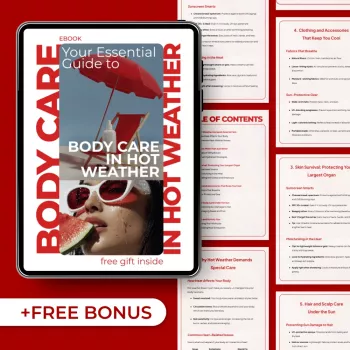
If “everyday performance” also includes skin comfort during training (sweat, friction, and recovery), nutrition can play a supporting role. For a structured approach, AI-Powered Diet Plans for Radiant Skin | Smart Nutrition Guide offers a guided resource focused on personalized nutrition planning.
Start with supportive, activity-appropriate footwear, breathable clothing that minimizes chafing, and a reliable water bottle you’ll actually use. If you want a simple bonus, add a timer or basic tracking method to make consistency easier.
Start with basics to reduce waste and learn what you truly need, then add specialized items once your routine and preferences are clear. Early on, comfort, fit, and durability tend to matter more than niche features.
Replace shoes and basics when you notice lost cushioning or stability, worn tread, new discomfort, persistent odor that won’t wash out, or thinning fabric and seams. The timeline depends on how frequently you train, your body weight, and the activity type.




Leave a comment