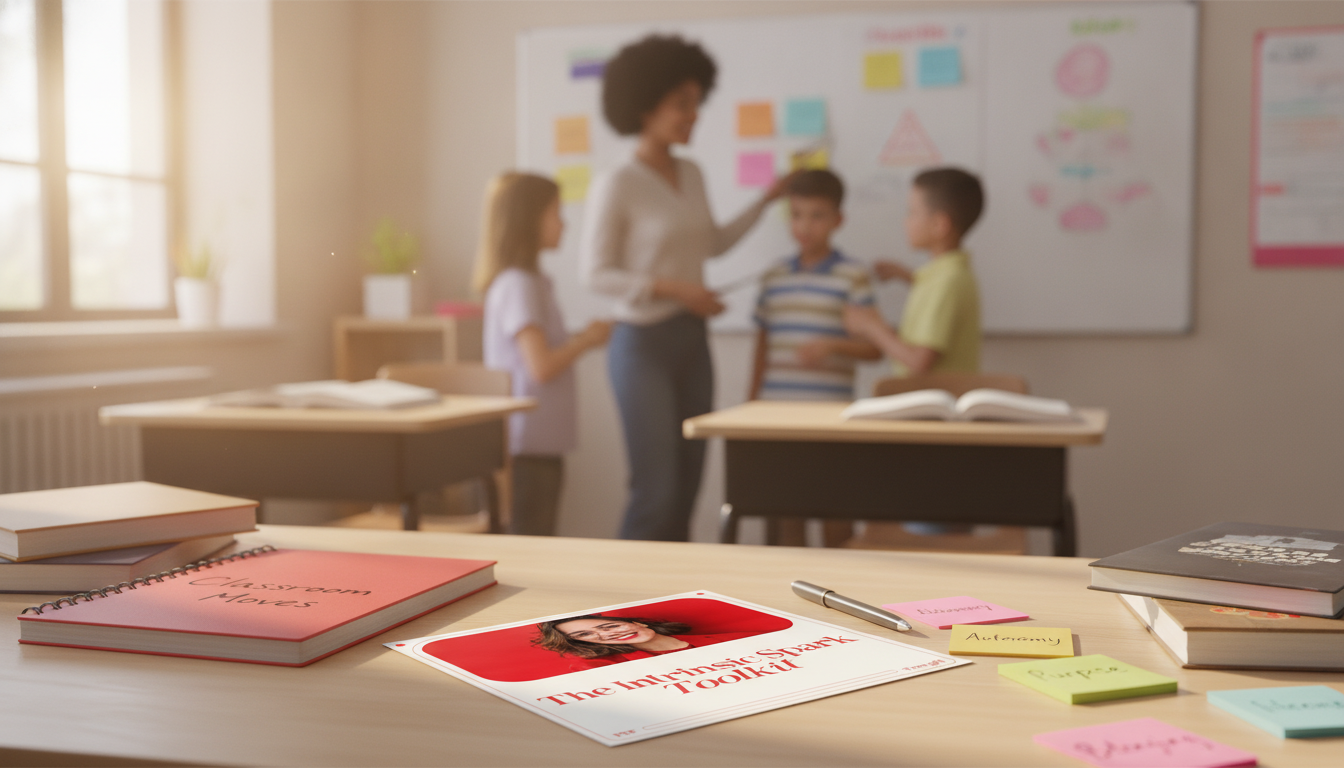
Motivation that lasts comes from students feeling capable, connected, and in control of their learning. When those conditions are in place, students engage because learning feels meaningful—not because of constant rewards, reminders, or pressure. Below is a practical toolkit of classroom moves you can implement quickly, observe easily, and adapt across grade levels to build intrinsic motivation one lesson at a time.
Intrinsic motivation is visible in small, repeatable behaviors. It’s less about “kids who love school” and more about students experiencing school as a place where effort pays off and their choices matter.
These indicators align with research on what sustains motivation over time, including Self-Determination Theory’s emphasis on autonomy, competence, and relatedness (belonging). For deeper background, see the Self-Determination Theory overview (Deci & Ryan) and the APA’s guidance on motivation and learning.
When motivation dips, it’s often because one of these drivers is missing in that moment. The goal isn’t to “pump students up,” but to adjust learning conditions so engagement becomes the natural response.
| Student signal | Likely missing driver | Teacher move to try next |
|---|---|---|
| Avoids starting, says “I can’t” | Competence | Chunk the task, model the first step, add a success checklist |
| Asks “Why do we have to do this?” | Autonomy/Meaning | Offer choice of product or connect to a real audience/purpose |
| Acts disengaged, socially withdrawn | Belonging | Use pair-share with roles, quick check-ins, and low-stakes collaboration |
| Rushes, wants only points | Competence/Autonomy | Shift to mastery goals, allow revisions, reflect on strategies used |
These moves are designed to be “small enough to try tomorrow” and strong enough to change the tone of learning. If you prefer a ready-to-use planning format, the internal resource Checklist: “The Intrinsic Spark Toolkit – 12 Ways to Motivate Students from the Inside Out” | Teacher Resource on how to intrinsically motivate students keeps them on one page for lesson planning and reflection.
For additional classroom-tested motivation ideas to pair with these moves, see Edutopia’s collection on student motivation.
Intrinsic motivation grows faster when you treat it like an instructional routine: choose a small focus, observe what changes, then keep what works.
If student participation is held back by fear of speaking up, confidence-building communication supports can help students access belonging and autonomy during discussion. A complementary resource is Speak Easy: How to Talk to Anyone with Confidence and Authentic Charm | eBook Guide for How to Talk to Anyone with Ease and Confidence, Social Skills, Communication Confidence.
For a printable, classroom-ready version of the full toolkit, use Checklist: “The Intrinsic Spark Toolkit – 12 Ways to Motivate Students from the Inside Out” | Teacher Resource on how to intrinsically motivate students.
Extrinsic motivation is driven by external outcomes like points, prizes, or avoiding consequences, while intrinsic motivation comes from interest, purpose, and a sense of growth. External rewards can help in the short term, but intrinsic motivation tends to last longer when students experience autonomy, competence, and belonging.
It can be taught and shaped through classroom conditions. Routines that provide meaningful choice, clear success criteria, and strategy-focused feedback help students internalize goals and build persistence over time.
Engagement signals often shift within a few days (faster starts, fewer prompts, better stamina), while durable habits usually take weeks. Focusing on one or two moves at a time and tracking a few observable indicators makes progress easier to notice and sustain.






Leave a comment