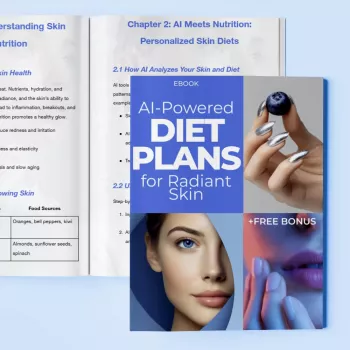
Radiant skin is influenced by more than skincare routines—daily nutrition, hydration, sleep, and stress all shape how skin looks and feels. A personalized, AI-driven diet approach can turn broad advice into a practical plan that fits dietary preferences, sensitivities, and goals such as clearer texture, steadier energy, and healthy weight management. The result is less guesswork: consistent meals built around the nutrients that help skin function at its best.
Skin is an active, renewing organ that depends on steady building blocks and protective nutrients. When food quality or energy intake swings wildly, skin comfort and appearance can shift along with it.
Most people already know a handful of “healthy foods,” but translating that into repeatable meals that fit a real schedule is the hard part. AI personalization helps by turning preferences and constraints into a structured routine you can actually follow.
Skin-first eating isn’t about “perfect” foods; it’s about repeatably hitting the nutrients that support normal skin function. For evidence-based nutrition fundamentals, the Harvard T.H. Chan School of Public Health: The Nutrition Source is a helpful reference, and for vitamin details, see the NIH Office of Dietary Supplements: Vitamin C Fact Sheet.
| Nutrient | Food sources | How it supports skin |
|---|---|---|
| Omega-3 fatty acids | Salmon, sardines, chia, flax, walnuts | Supports skin barrier comfort and balanced inflammation |
| Vitamin C | Kiwi, citrus, berries, bell peppers | Supports collagen formation and antioxidant protection |
| Zinc | Pumpkin seeds, oysters, beef, chickpeas | Supports normal skin function and wound healing |
| Protein | Eggs, poultry, tofu, lentils, yogurt | Provides amino acids for repair and structural proteins |
| Carotenoids | Carrots, sweet potato, spinach, kale | Antioxidant support; contributes to a healthy glow |
Personalization works best when it’s paired with a simple structure. A good AI plan doesn’t just generate recipes—it creates “defaults” that make nutritious choices nearly automatic.
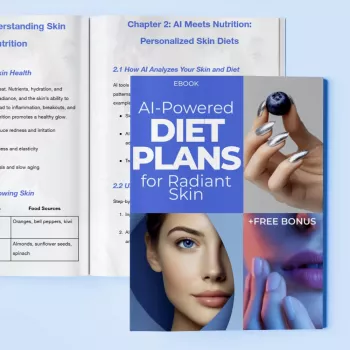
For a guided, skin-first structure, see the AI-Powered Diet Plans for Radiant Skin | Smart Nutrition Guide | Personalized ai diet plan for skin health eBook. For habit and routine support beyond nutrition—especially if consistency is the challenge—pairing it with a structured discipline resource can help reinforce follow-through, such as the No-Buy Year Wardrobe Discipline Toolkit | 3-in-1 Digital Bundle for Fashion Enthusiasts.
Yes—results vary, but many people lose weight when an AI plan helps create a consistent calorie deficit while keeping protein and fiber high for satiety. Progress depends on adherence, accurate portions, and giving the plan enough time to work.
Energy, cravings, and digestion can shift within days to a few weeks, while visible skin changes often take several weeks because skin turnover is gradual. Consistency and reducing personal trigger exposure matter more than short bursts of “perfect” eating.
It can support patterns associated with breakouts for some people—like steadier blood sugar, adequate omega-3 intake, and better overall nutrient density. It isn’t a medical treatment, so persistent or severe acne should be evaluated by a dermatologist.






Leave a comment