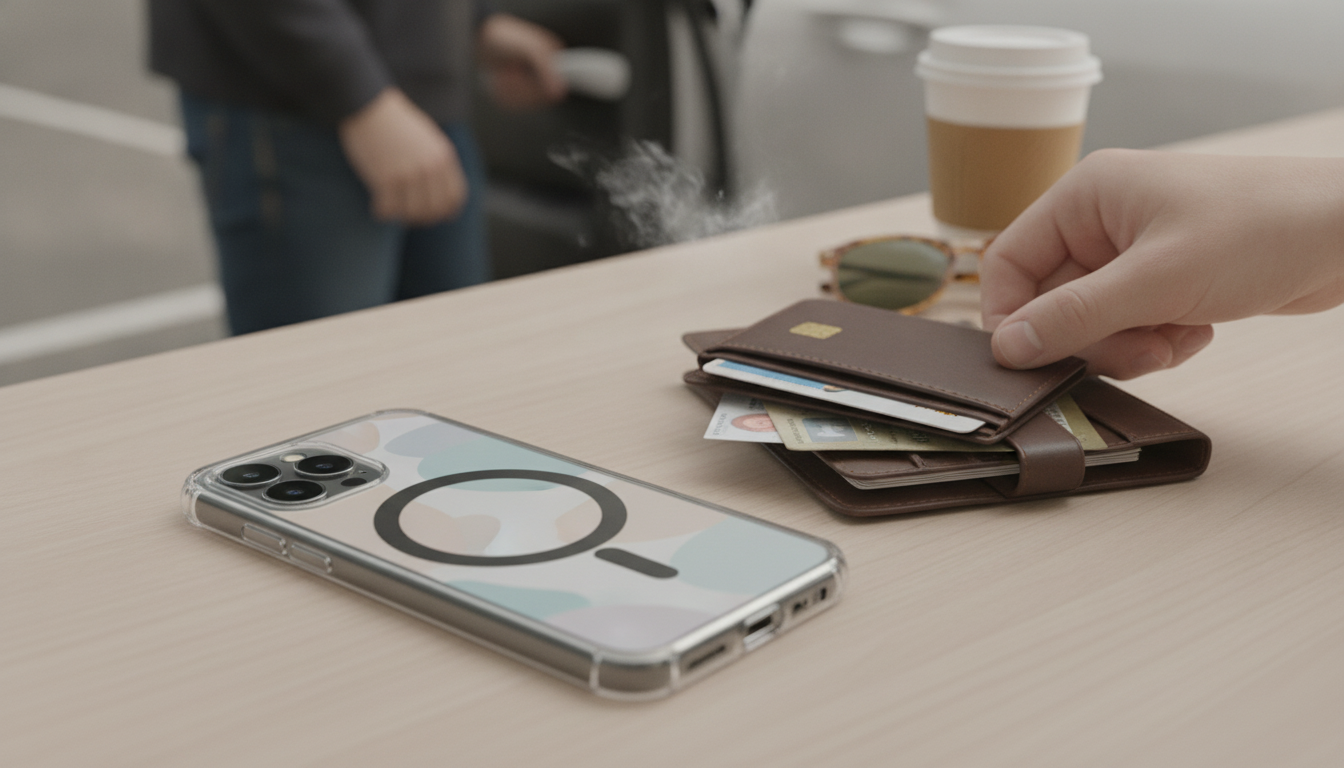
For most people, a magnetic phone case is safe for everyday use. The magnets used in MagSafe-style and similar cases are small and designed to hold accessories and improve alignment for wireless charging, not to emit harmful levels of radiation or cause physical harm.
The main “safety” concerns are usually practical ones: interference with magnetic stripe cards, potential issues with certain medical implants, and how the magnet setup affects charging and heat. Used normally, magnetic cases are widely considered low-risk.
If you don’t have an implanted medical device and you’re using reputable accessories, magnetic cases are typically fine. They’re made to sit outside the phone and won’t damage modern smartphones under normal conditions. Many users choose them for the convenience of snap-on wallets, stands, and car mounts.
Medical implants: People with pacemakers or implantable cardioverter defibrillators (ICDs) should follow their physician and device manufacturer guidance around magnets. While a phone case magnet is not the same as a strong industrial magnet, it’s smart to avoid placing magnetic accessories directly over the chest area or storing the phone in a shirt pocket if you have an implant.
Cards and keys: Magnetic phone wallets can demagnetize older magnetic stripe cards over time. Chip cards are less vulnerable, but hotel keys and some transit cards can still be affected. If you carry those, keep them separate or use a shielded wallet insert.
Magnets themselves don’t make a phone “unsafe,” but poor alignment or thick materials can reduce charging efficiency and create extra heat during wireless charging. Choose a case designed for magnetic alignment and a quality charger. If your phone gets unusually hot, remove the case and reassess the charger, adapter, and case compatibility.
For a closer look at a MagSafe-style case design, materials, and protection features, see the guide here: https://jocunda.com/guide-cute-bear-magsafe-case-matte-hybrid-protection/.
It can affect magnetic stripe cards and some hotel key cards if they’re pressed against the magnet repeatedly. Chip-and-tap cards are generally safer, but it’s still best not to store stripe-based cards in a magnetic wallet.





Leave a comment