Bloom on a Budget: Smart Ways to Save Money on Plants
A thriving plant collection doesn’t require premium prices. A few money-smart habits—choosing the right plants for your space, timing purchases, propagating what you already have, and avoiding common care mistakes—can help beginners and longtime plant lovers grow more while spending less.
Start with a budget-friendly plant plan
Most “expensive plants” become expensive because of repeat buys: replacing what didn’t survive, rushing to fix preventable problems, or collecting supplies twice. A simple plan keeps spending intentional and plants healthier.
- Set a monthly plant budget that includes soil, pots, and pest prevention—not just new plants. A $10 bottle of insecticidal soap can protect $100+ worth of plants.
- Measure your light before buying. Bright indirect, medium, and low light aren’t the same—and mismatched light often leads to slow decline, then replacement.
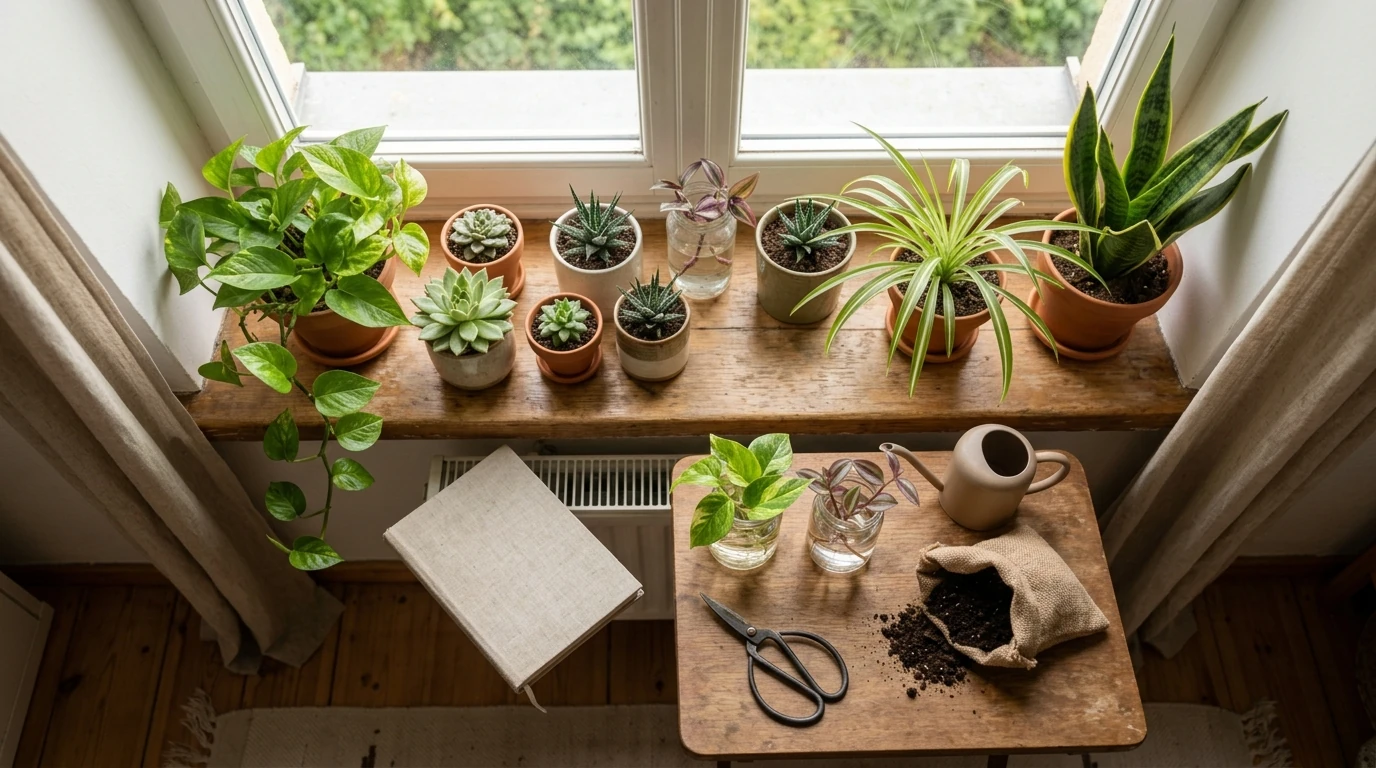
- Choose 3–5 “core” easy-care plants first (pothos, snake plant, spider plant, ZZ plant, philodendron). Learn their rhythms, then expand.
- Create a wishlist with max prices. Impulse buys are often the priciest and the most likely to struggle in a new home.
If watering is a challenge, review the basics from the University of Minnesota Extension’s houseplant watering guidance—proper watering alone prevents many “mystery” losses.
Buy smarter: where to find inexpensive, healthy plants
Finding low-cost plants is easy; finding low-cost plants that stay healthy is the real win. Focus on sources where you can inspect plants closely and choose strong starters.
- Check local nurseries for “scratch & dent” or clearance benches. Cosmetic leaf damage often grows out quickly.
- Look for smaller pot sizes (2–4 inch starts). You’ll pay less up front and often get the best value per year of growth.
- Use community sources like plant swaps, neighborhood groups, library seed exchanges, and local garden clubs.
- Time purchases around end-of-season sales, store resets, and post-holiday markdowns.
- Inspect before buying: firm stems, no webbing, no sticky residue, and no clusters of pests on leaf undersides.
Quick savings checklist: best option by goal
| Goal |
Best place to look |
What to inspect |
Typical savings |
| Fastest savings |
Clearance rack at nursery or big-box |
Pests, root health, cold damage |
20–70% |
| Best long-term value |
Small starter plants (2–4 inch) |
New growth, sturdy stems |
Lower upfront cost |
| Free/near-free plants |
Swaps, neighborhood groups |
Quarantine for pests |
Up to 100% |
| Rare varieties for less |
Local swaps or cuttings |
Node count, leaf condition |
30–80% vs retail |
Propagate to multiply plants without multiplying costs
Propagation is the budget superpower of indoor gardening. Once you learn a few basics, one healthy plant can become many—without constant spending.
- Learn common methods: water propagation, soil propagation, division, and leaf cuttings (depending on species).
- For vining plants, aim for at least one node. Nodes are where roots typically form, so a node-free cutting often fails.
- Use clean scissors or snips, and for succulents, let cut ends callus before planting to reduce rot.
- Label cuttings with the date and plant name to avoid losing track (and accidentally re-buying duplicates).
- Trade propagated starts with friends or at swaps to diversify your collection for little to no cost.
For additional care references by plant type, the Royal Horticultural Society’s houseplant guidance is a useful, straightforward resource.
Spend once, save often: tools and supplies that pay off
The best tools aren’t the fanciest—they’re the ones that prevent losses and reduce repeat purchases.
- Buy one reliable pair of pruners/snips (and disinfect occasionally). Add a simple moisture meter only if overwatering keeps happening.
- Purchase potting mix in larger bags when possible and store it sealed to prevent fungus gnats and drying out.
- Reuse nursery pots inside decorative cachepots. It saves money and makes drainage control easier.
- Build a small pest-prevention kit: sticky traps, insecticidal soap, and a small spray bottle.
- Consider a basic grow light for low-light rooms; it’s often cheaper than replacing leggy, struggling plants.
Avoid the most expensive mistakes (and how to prevent them)
Many plant losses come down to a few repeat issues. Preventing them is cheaper than “rescuing” later.
- Overwatering is the top budget killer. It can lead to root rot, fungus gnats, and repeat purchases. Water only when the top layer dries appropriately for the plant type.
- Skipping quarantine spreads pests. Isolate new plants for 7–14 days when possible, even if they look clean.
- Repotting too soon stresses plants. Wait until roots are circling or pushing through drainage holes.
- Wrong pot size increases rot risk. Step up only 1–2 inches wider than the root ball.
- Weekly pest checks prevent big outbreaks. Inspect leaf undersides and the soil surface regularly to catch problems early.
Budget-friendly care routines that keep plants thriving
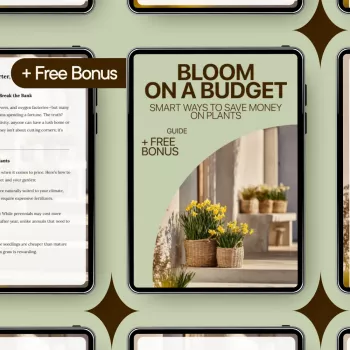
A simple digital guide to keep spending under control
FAQ
What are the cheapest plants to start with indoors?
Pothos, spider plants, snake plants, ZZ plants, and many philodendrons are usually inexpensive, widely available, and forgiving. They also propagate easily, which helps you expand your collection without buying more full-sized plants.
How can you tell if a clearance plant is worth buying?
Check for pests (especially under leaves), firm stems, and signs of new growth. Gently look at the roots if possible—avoid plants with mushy roots, widespread rot, or heavy infestations that could spread to your other plants.
What’s the best way to save money on potting soil and pots?
Buy potting mix in larger bags and store it tightly sealed to keep it fresh and gnat-free. Reuse nursery pots inside decorative cachepots, and only move up 1–2 inches in pot size to reduce waste and lower rot risk.
Recommended for you



Leave a comment