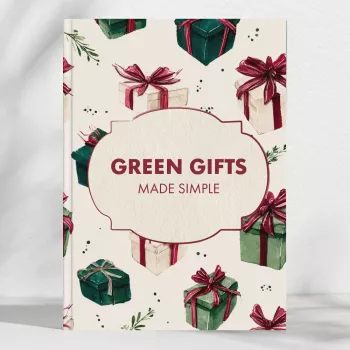
Rufus Green Guide: Finding Eco-Friendly & Sustainable Products with AI
Choosing lower-impact products can feel overwhelming when labels, certifications, and “green” claims don’t match up. The Rufus Green Guide digital download is built for real-life shopping: a practical, step-by-step way to use AI as a research assistant to filter options, compare materials and certifications, and make more confident purchases for everyday sustainable living.
What This Digital Guide Helps Solve
- Cuts through vague eco-claims by turning them into clear, checkable questions
- Creates a repeatable process for researching products faster (without guesswork)
- Helps compare alternatives across price, durability, materials, and end-of-life options
- Supports conscious shopping habits without requiring expert-level sustainability knowledge
Instead of getting stuck trying to “pick the perfect option,” the guide centers on clarity: what the product is made of, how it performs over time, and what happens when it’s used up.
Who It’s For
- Busy shoppers who want a structured way to choose better products with less time
- Beginners who need a simple checklist for materials, packaging, and certifications
- Eco-conscious households trying to reduce waste and avoid common greenwashing tactics
- Gift-givers looking for practical, low-waste swaps that match a recipient’s values
What’s Inside the Rufus Green Guide
- A repeatable AI-assisted research workflow for discovering sustainable alternatives
- Prompt-style question sets to evaluate materials, sourcing, labor claims, and durability
- A decision framework to prioritize what matters most (health, climate, waste, budget)
- Shortlists of common certifications and what they generally indicate
- A simple scoring approach to compare products without getting stuck in analysis paralysis
It’s designed as a “use it while you shop” reference: open it next to product pages, marketplace listings, or secondhand options and run the same evaluation each time. The result is a system that gets easier the more you use it.
A Practical AI Workflow for Conscious Shopping
- Start with the need. Define the use case, frequency, and must-have features. A durable everyday item can beat a “greener” option that fails early and needs replacement.
- Ask for categories of alternatives first. Rather than chasing brand names, explore materials, refill systems, repairable designs, or secondhand routes that fit your priorities.
- Request evidence types. Good follow-ups ask for what would prove a claim: certification names, ingredients lists, transparency reports, or third-party test results.
- Compare at least three options. Include one budget, one midrange, and one premium option to see real tradeoffs in durability, packaging, and materials.
- Verify the critical claims. Cross-check with a brand’s documentation and reputable directories. For example, the FTC’s Green Guides explain how environmental marketing claims can be misleading, while programs like EPA Safer Choice help identify products evaluated against specific chemistry criteria.
This workflow keeps AI in the lane it’s best at—organizing questions and options—while keeping final decisions grounded in real documentation.
How to Spot Greenwashing Without Becoming an Expert
- Watch for unverified phrases. “Eco-friendly,” “non-toxic,” and “natural” mean little without specifics and scope.
- Prefer measurable claims. Look for recycled content percentages, packaging details, and full ingredient disclosure when relevant.
- Check relevant certifications. A label should match the product type and be verifiable through the certifier’s directory or brand documentation. For a broader overview of eco-labels and claim types, see the OECD’s overview on eco-labelling.
- Prioritize durability and repairability. A longer lifespan often reduces impact more than minor material differences.
- Be cautious with “carbon neutral.” Look for boundaries (what’s included), methodology, and whether reductions come before offsets.
Quick Comparison Checklist (Use This Before Buying)
If you only have a few minutes, run this snapshot checklist. It’s meant to be quick, not perfect.
Sustainable Product Comparison Snapshot
| Criteria |
What to Ask |
Good Signs |
Red Flags |
| Materials |
What is it made of and why? |
Specific material breakdown; recycled content % |
“Proprietary blend” with no details |
| Certifications |
Which standards apply to this product? |
Relevant certification + verifiable listing |
Generic “certified” without the program name |
| Packaging |
Is it refillable or widely recyclable? |
Refill system; minimal packaging; clear disposal info |
“Recyclable” with no instructions or local feasibility |
| Durability |
How long does it last under normal use? |
Warranty; repair parts; proven materials |
Disposable design; no support |
| End-of-life |
What happens when it’s worn out? |
Take-back; repair; truly recyclable components |
“Biodegradable” with no conditions or timeframe |
Everyday Categories Where the Guide Makes a Big Difference
- Home and cleaning: Ingredient safety, concentrates, refill stations, and packaging tradeoffs can be compared quickly once you know what to ask.
- Personal care: The workflow helps sort fragrance sensitivity, preservative choices, and what “clean” actually means on the label.
- Kitchen and food storage: Focus shifts to durable materials, avoiding single-use habits, and how to care for items to extend lifespan.
- Clothing basics: Compare fiber content, care impact, durability, and secondhand options without getting lost in marketing language.
- Kids and pets: Safety-first material questions matter here, along with practical cleaning and durability needs for real routines.
For pet parents who want a similarly structured way to compare ingredients and claims, pair it with the Comparing Pet Food Like a Pro digital checklist to make side-by-side decisions feel simpler and more consistent.
Digital Download Details
Making the Habit Stick
FAQ
Does using AI for sustainable shopping replace verifying claims?
No. AI can help narrow options and generate the right questions, but key claims should still be verified through brand documentation and reputable certification directories before you buy.
What kinds of products does the guide work best for?
It works especially well for everyday purchases like home and cleaning supplies, personal care, kitchen and food storage, clothing basics, and kids/pets products. The same workflow can be adapted to most product categories.
Is this guide suitable for beginners to sustainable living?
Yes. The structure is step-by-step with simple checklists, making it easier to start without deep technical knowledge or hours of research.
Recommended for you






Leave a comment