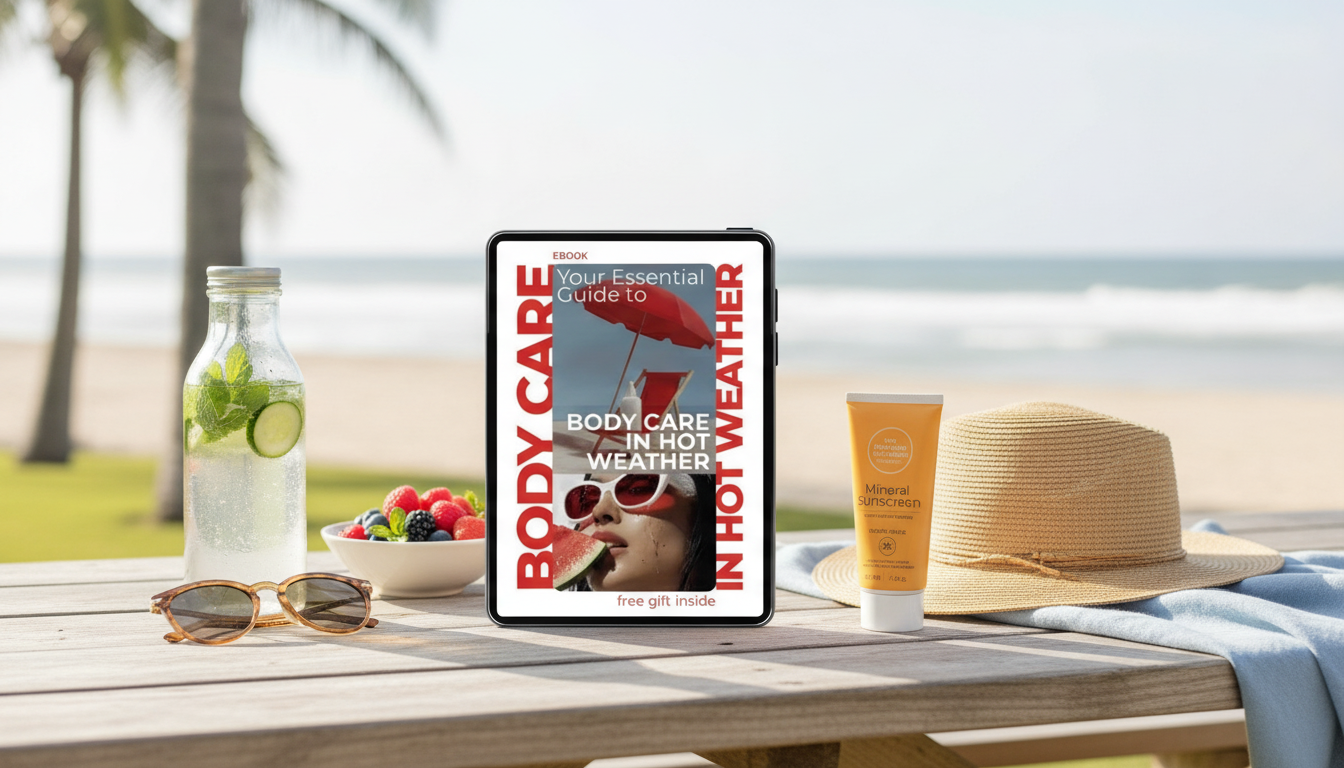
Hot weather changes how the body cools, how skin holds moisture, and how quickly dehydration and sun damage can build up. A simple, repeatable routine can reduce sweat-related irritation, prevent dry or tight skin, and make sun protection easier to maintain day after day. The steps below focus on practical habits for morning, mid-day, and evening—plus quick adjustments for workouts, beach days, travel, and heat waves.
Heat and humidity often create a “slick but dry” feeling: sweat sits on the surface while the skin barrier loses oils that normally keep moisture in. Sun exposure adds inflammation that can worsen redness, itching, and sensitivity—especially on the face, shoulders, chest, and scalp. Meanwhile, air conditioning lowers indoor humidity, so it’s common to feel dry, get chapped lips, or notice irritated eyes even when it’s muggy outdoors.
Hydration needs climb as temperatures rise. Thirst can lag behind dehydration, particularly during long outdoor days, intense activity, or alcohol intake. Friction also increases when skin is damp, making chafing and heat rash more likely where skin rubs (inner thighs, under breasts, waistbands, and sports gear).
For heat illness prevention basics, the CDC’s heat-health guidance is a strong reference, especially for recognizing when symptoms move beyond “normal summer discomfort.”
| Issue | Typical triggers | Practical first steps |
|---|---|---|
| Heat rash (miliaria) | Trapped sweat, tight clothing, heavy lotions | Cool shower, loose breathable fabric, keep area dry, avoid occlusive products on the affected zone |
| Chafing | Friction + moisture on thighs, underarms, bra line | Anti-chafe balm, moisture-wicking clothing, change out of sweaty clothes promptly |
| Dry/tight skin | AC + frequent cleansing + sun | Gentle cleanser, moisturizer on damp skin, add barrier cream to dry patches |
| Sunburn | Insufficient SPF, missed reapplication, water/sweat | Cool compress, moisturize, avoid further sun, hydrate; seek medical help for blistering/fever |
| Dehydration | Heat exposure, exercise, alcohol, diarrhea | Water + electrolytes, shade, rest; urgent care for confusion, fainting, severe weakness |
1) Quick lukewarm rinse. Keep showers short and avoid hot water. Lukewarm water cleans sweat and overnight oils without leaving the barrier feeling “stripped” by midday.
2) Cleanse strategically. Use a gentle cleanser on odor-prone areas (underarms, groin, feet). Skip harsh scrubs in the morning—over-exfoliation plus sweat is a fast track to irritation.
3) Moisturize on damp skin. Pat dry, then apply a lightweight lotion or gel-cream while skin is slightly damp. In humid weather, thin layers feel better and reduce that sticky “product + sweat” buildup.
4) Use antiperspirant if you need it. Apply to fully dry skin for better performance. If sweat causes underarm rash, look for simpler formulas and avoid layering fragrance-heavy products.
5) Sunscreen everywhere the sun hits. Use broad-spectrum protection on face and body. Don’t miss ears, neck, scalp part, tops of feet, and backs of hands. The American Academy of Dermatology’s sunscreen FAQs are a useful checkpoint for amounts and timing.
6) Dress for airflow. Loose fits, light colors, and breathable fabrics reduce heat load. For active days, moisture-wicking materials help limit friction and keep sweat from pooling in folds.
Reapply sunscreen realistically. If you’re outside, set a phone reminder. Keep a travel-size option in a bag or car so reapplication doesn’t depend on being home.
Add physical UV barriers. A wide-brim hat, UV-protective clothing, and sunglasses do a lot of work when your sunscreen routine isn’t perfect. If possible, aim for shade during peak sun hours.
Cool the body before you “hit the wall.” Take short shade breaks, slow your pace, and use cool water on wrists and neck when heat builds. Overheating often shows up first as fatigue and irritability—treat those as early cues.
Hydrate steadily. Small sips throughout the day tend to work better than chugging. If you’re sweating for a long stretch, add electrolytes to help replace sodium and support fluid balance.
Know your personal risk factors. Some medications increase sun sensitivity or affect sweating. Follow clinician guidance and be extra strict with shade and SPF. For additional UV background, the World Health Organization’s UV overview is a helpful resource.
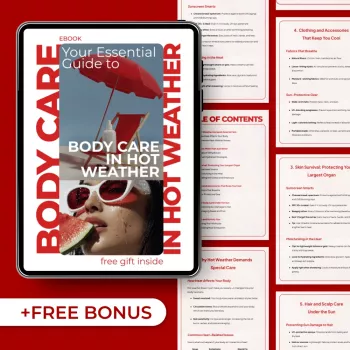
For a step-by-step checklist and daily schedule, use the guided routine in Your Essential Guide to Body Care in Hot Weather | Practical Summer Wellness eBook, Daily Heat Care Routine, Skin, Hydration & Sun Protection Guide. If summer travel includes road trips, it can also help to keep a simple “just in case” car reference like Engine Light Decoded – Check Engine Light Guide, Car Diagnostic eBook, Engine Warning Light Checklist for Drivers on your phone for quick troubleshooting away from home.
Reapply about every 2 hours when outdoors, and reapply after swimming, heavy sweating, or towel-drying. Pay extra attention to commonly missed spots like ears, neck, hands, feet, and your scalp part.
Drink steadily throughout the day and add electrolytes during prolonged sweating to replace sodium losses. A practical check is urine color—pale yellow is generally a good sign—while confusion, fainting, or severe weakness should be treated as urgent.
Chafing comes from friction plus moisture, so combine an anti-chafe balm with moisture-wicking, well-fitting clothing. Keep skin as dry as possible, and change out of sweaty clothes promptly to reduce ongoing rubbing and irritation.



Leave a comment