
Gucci’s look has never been static: it has moved from refined equestrian codes and polished leatherwork to bold, culture-shaping statements that blur the line between luxury and pop spectacle. This digital guide frames Gucci’s transformation through its key eras—what changed, what stayed recognizable, and how to spot the brand’s signatures across decades. Along the way, it highlights the motifs, materials, and styling cues that help decode Gucci pieces, whether browsing archives, building a wardrobe, or simply mapping how a heritage house became a modern icon. For more guidance, see PROSPERITY FASHION.
Gucci’s origins in Florence were rooted in practicality elevated to luxury—luggage, leather goods, and accessories designed for people who moved through the world. The early Gucci identity is best understood as workmanship first: durable construction, balanced proportions, and a finish that reads “made to last” even at a glance. That travel-minded spirit still echoes in the brand’s modern storytelling around global style and effortless polish. For further reading, see The-Journal-of-Dress-History-Volume-2-Issue-2-Summer- ….
Equestrian influence became a visual backbone: riding-inspired hardware, structured shapes, and refined finishes that feel disciplined rather than flashy. When assessing pieces that lean early-to-mid-century in spirit, the material conversation matters. Leather quality (grain, suppleness, edge finishing) and metalwork (weight, clarity of engraving, clean joins) often tell you more about an era-appropriate aesthetic than loud branding ever could.
For additional background on the house’s history, reference sources like Encyclopaedia Britannica’s entry on Gucci and broader fashion context from The Met’s Costume Institute.
Gucci evolves, but it rarely abandons its visual alphabet. A handful of codes keep resurfacing—sometimes subtle, sometimes center stage—acting like a through-line from heritage craftsmanship to modern runway theater.
| Era | Defining mood | Standout codes | Typical silhouettes | Collectible cues |
|---|---|---|---|---|
| 1920s–1940s | Refined travel luxury | Leather craft, equestrian details | Structured luggage, practical accessories | High-quality leather, precise metal hardware |
| 1950s–1970s | Jet-set glamour | Web stripe, Horsebit, bamboo | Polished handbags, loafers, sleek tailoring | Icon hardware, clean lines, classic color palettes |
| 1980s–1990s | Logo visibility and power dressing | Monogram canvas, bold branding | Sharper shoulders, statement accessories | Prominent logos, high-contrast styling |
| Mid-1990s–2000s | Modern sensual minimalism | Sleek accessories, refined hardware | Streamlined silhouettes, evening-ready pieces | Controlled palettes, glossy finishes |
| 2010s–early 2020s | Maximalist eclecticism | Retro motifs, playful iconography, embellished details | Layering, vintage-inspired proportions | Novelty prints, ornate embroidery, statement styling |
By the mid-century years, Gucci accessories became shorthand for aspirational luxury—pieces that communicated taste, travel, and status without needing explanation. Clean silhouettes and confident restraint defined the most timeless looks: a polished handbag with recognizable hardware, a loafer that reads elegant from across the room, tailoring that complements accessories instead of competing with them.
Later, the visual volume turned up. Branding grew more visible as monograms and stripes moved from “insider detail” to unmistakable signature. In the power-dressing era, styling leaned into stronger lines and bolder accessories—structured shoulders, high-impact belts, and pattern-forward bags that made the logo itself part of the outfit’s architecture.
To wear classic codes now without feeling costume-like, treat them as punctuation. A Horsebit loafer can ground denim and a crisp shirt; a web-stripe detail looks modern when the rest of the outfit stays quiet. The goal is contrast: heritage detail, contemporary ease.
For brand visuals and current codes, the most direct reference point remains Gucci’s official site.
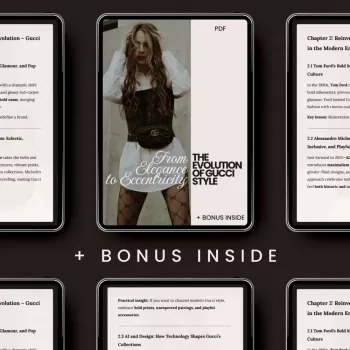
If you want a structured, easy-to-revisit reference, From Elegance to Eccentricity: The Evolution of Gucci Style – A Digital Guide to Gucci’s Fashion Journey organizes the timeline into clear eras, signature motifs, and quick visual cues that connect real pieces to the aesthetics that shaped them.
The most consistent signatures are Horsebit hardware, the GG monogram, the green–red–green web stripe, and bamboo handles. They appear across accessories (bags, loafers, belts) and also re-emerge in ready-to-wear as trims, prints, and recurring motifs.
Use one heritage code at a time—like Horsebit loafers or a web-stripe accent—then keep the rest of the outfit modern in silhouette and finish. Neutral companions and clean lines help the statement piece feel intentional rather than themed.
Logo-heavy periods often centered on straightforward status signaling through prominent monograms and stripes. The eccentric era leans into maximalist layering, playful iconography, and eclectic references—more like a styled collage than a single branding message.



Leave a comment