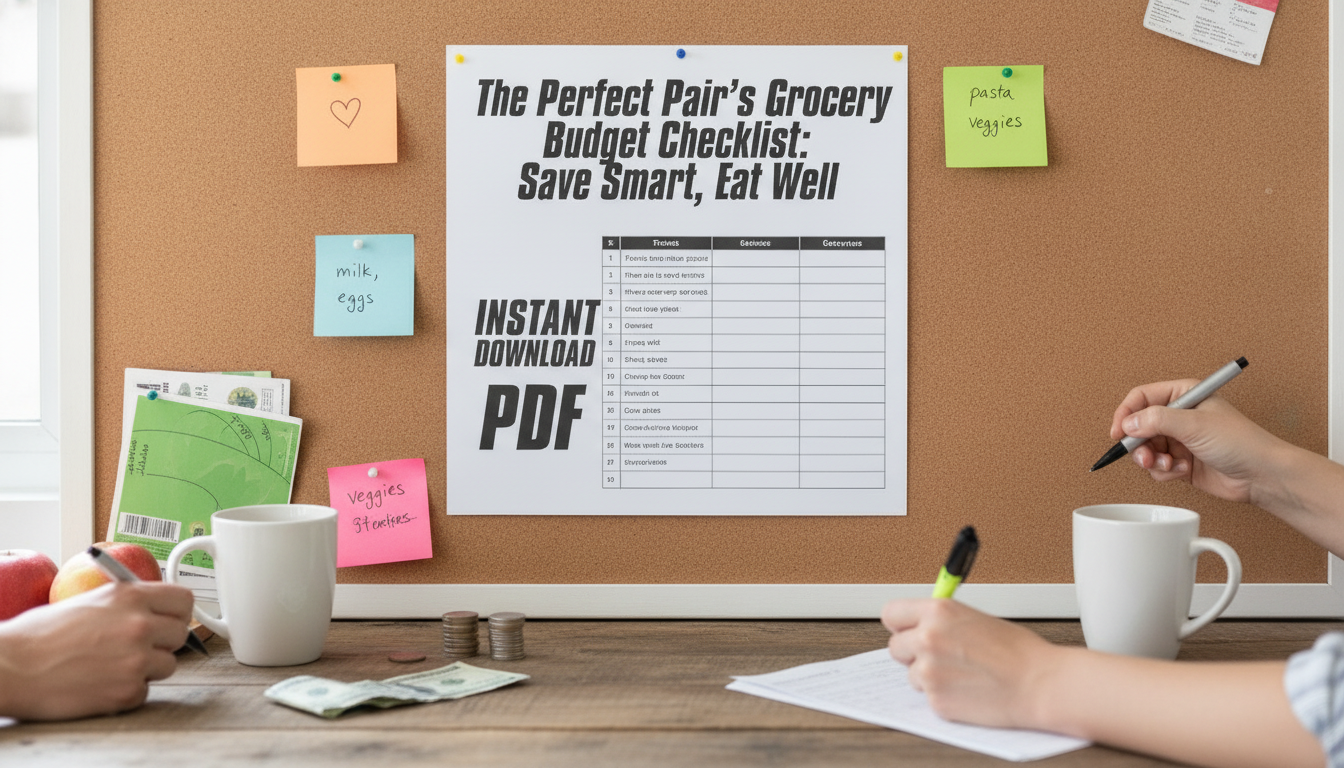
Grocery spending for two can swing wildly depending on where you live, dietary needs, and habits like convenience foods or last-minute takeout. A simple checklist turns “guessing” into a repeatable plan: set a realistic number, shop with structure, and track what actually gets eaten so the budget fits real life—without feeling restrictive.
Before picking a number, it helps to understand the biggest forces that push totals up (or pull them down). Most couples don’t “randomly” overspend—costs usually come from a few predictable patterns.
For a reality check on price movement over time, it can help to skim the U.S. Bureau of Labor Statistics CPI – Food. For baseline spending references, the USDA Food Plans cost reports are a useful benchmark.
A workable budget is less about perfection and more about consistency. Choose a baseline range, then adjust up or down based on dietary needs and how many meals you actually eat at home. If you prefer thinking monthly, translate it into a weekly target so it’s easier to follow—then multiply the weekly number by 4.3 for a more accurate month estimate.
Most importantly: revisit your range after 2–4 weeks of tracking. Real receipts beat assumptions.
| Budget level | Monthly range (2 adults) | Weekly target | Best fit for |
|---|---|---|---|
| Lean | $300–$450 | $70–$105 | Mostly home-cooked meals, minimal convenience foods, strong plan for leftovers |
| Balanced | $450–$650 | $105–$150 | Mix of staples and some convenience items, moderate snacks and beverages |
| Comfort | $650–$900+ | $150–$210+ | Higher-protein or specialty diets, premium brands, frequent hosting or elaborate cooking |
A budget is easiest to follow when it’s built around decisions you only make once. The checklist approach keeps your “default” groceries stable while leaving room for flexibility.
If you want a ready-to-use format for aligning as a couple, use The Perfect Pair’s Grocery Budget Checklist (Printable PDF) to set your weekly cap, list your non-negotiables, and keep a quick post-trip review in one place.
One reason budgets “mysteriously” break is that a few categories (snacks, drinks, or impulse convenience foods) quietly expand until there’s no room left for meals. A weekly split gives you guardrails without forcing you to eat the same thing every day.
| Category | Target share | Examples |
|---|---|---|
| Proteins | 25–35% | Chicken, beans, tofu, eggs, ground meat, canned fish |
| Produce | 20–30% | Seasonal fruit/veg, salad greens, frozen vegetables |
| Carbs & staples | 15–25% | Rice, pasta, oats, bread, tortillas, potatoes |
| Dairy & alternatives | 5–15% | Milk, yogurt, cheese, plant-based items |
| Snacks & beverages | 5–15% | Coffee/tea, sparkling water, chips, granola bars |
| Pantry extras & condiments | 5–10% | Sauces, spices, oils, baking items |
For a simple, repeatable setup, start with The Perfect Pair’s Grocery Budget Checklist: Save Smart, Eat Well | Printable PDF for Couples. If your household also likes checklists for other parts of life, you can pair it with Engine Light Decoded – Check Engine Light Guide or Speak Easy: How to Talk to Anyone with Confidence and Authentic Charm to keep practical routines organized beyond the kitchen.
A practical starting range is often $300–$900+ depending on location, dietary needs, and how many meals you cook at home. Set a weekly cap first, then revise after 2–4 weeks of tracking so your budget reflects your real receipts.
Cut extra trips, plan one treat item weekly, and build dinner anchors that share ingredients to reduce waste. Store-brand swaps for staples plus a quick post-trip review (what ran out, what was wasted) can lower totals without making meals feel “less.”
Convert monthly to weekly by dividing by 4.3, then add a small buffer (about 5–10%) for price spikes. If you overspend one week, adjust the next trip with pantry/freezer meals instead of abandoning the plan.






Leave a comment