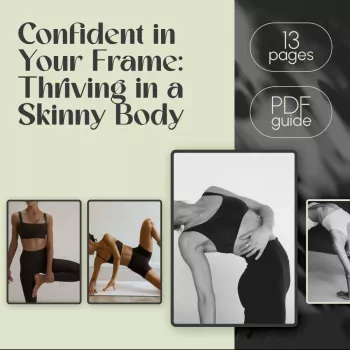
Feeling comfortable in a naturally slim frame can be challenging when comments, comparisons, and clothing fit issues start to shape self-image. Confidence isn’t about changing your body to meet someone else’s expectations—it’s about strengthening self-trust, learning what flatters and feels like “you,” and showing up socially without shrinking your presence. The steps below focus on practical mindset shifts, styling principles, and everyday social tools that help a skinny body feel grounded, capable, and fully seen.
Confidence starts with separating what’s true from what you’ve been trained to assume. A slim build is a body type—not a flaw, not a personality, and not a punchline.
If body image thoughts feel sticky or intense, the American Psychological Association’s overview on body image is a helpful starting point for understanding how culture and stress shape self-perception.
When confidence depends on how you look in a mirror at 7:00 a.m., it rises and falls all day. Capability-based confidence is steadier because it’s built on what you can do—consistently.
If you’re underweight and experiencing symptoms (fatigue, frequent illness, missed periods, dizziness), it may help to check in with a clinician. The NHS guidance for underweight adults offers practical, health-first context.
Styling a slim body isn’t about “bulking up” your look—it’s about choosing pieces that read as deliberate: clean lines, good proportions, and fabrics that hold shape.
| Goal | What to try | Why it helps |
|---|---|---|
| Look more structured | Blazer, denim jacket, chore coat | Adds clean lines and shoulder definition |
| Add visual depth | Layer tee + overshirt; knitwear; textured fabrics | Creates dimension and presence |
| Balance proportions | High-rise pants; cropped outerwear; straight-leg jeans | Defines waist/legs and avoids a swallowed silhouette |
| Feel confident in photos | Mid-weight tops; solid colors with one accent; avoid ultra-thin tees | Keeps lines crisp and reduces cling |
| Upgrade basics fast | Tailor sleeve/pant length; choose better shoes | Fit and footwear signal intention immediately |
For a deeper, step-by-step approach that combines mindset, style choices, and social tools, see Confident in Your Frame: Thriving in a Skinny Body – Digital Guide for Mindset, Style & Social Presence.
People often read confidence through posture before they register body size. The goal isn’t to become stiff—it’s to look and feel grounded.
If you want practical scripts and simple social habits that feel authentic (not performative), Speak Easy: How to Talk to Anyone with Confidence and Authentic Charm pairs well with body-confidence work because it focuses on how you show up, not how you look.
Use a short boundary line (“I’m focusing on feeling healthy and confident—let’s talk about something else”), then redirect the topic. If they repeat it, repeat your boundary once more and change the situation if needed—confidence grows when you protect your space without debating your appearance.
Focus on fit and intentional structure: tailored lengths, mid-weight fabrics, and layers that add depth (overshirts, knitwear, structured outerwear). Balancing proportions—like high-rise pants with cropped jackets—creates a clean silhouette that looks purposeful, not “covered up.”
Yes—posture, pace, and open body language communicate confidence faster than clothing or body size. Try stacking ribs over hips, relaxing shoulders down and back, and using a slower speaking pace with clear sentence endings to project calm presence.




Leave a comment