
Emotional resilience is the ability to stay steady under pressure, recover after setbacks, and respond to challenges with flexibility rather than overwhelm. It does not require a perfect mindset or constant positivity—just repeatable skills that strengthen inner stability over time. The steps below focus on simple, realistic practices for stress management, mindset growth, and daily habits that build real strength.
Resilience often shows up in small, quiet choices: pausing before replying to a tense message, taking a walk instead of spiraling, or admitting you need support. Over time, those choices add up to a more stable baseline.
Resilience can be built by working with a predictable cycle. Stressors happen, the mind and body respond, and then you either recover—or carry the strain forward.
Authoritative guides like the American Psychological Association (APA) resources on resilience and the National Institute of Mental Health (NIMH) coping with stress overview reinforce this idea: you don’t need to “never get stressed”—you need reliable ways to come back to center.
Micro-habits work because they’re doable on messy days. Pick one or two and repeat them until they become automatic.
| Situation | Quick practice | Why it helps |
|---|---|---|
| Racing thoughts at night | Write a 3-item “tomorrow list” + one worry you can’t solve tonight | Externalizes worry and reduces mental load |
| Work stress spike | 2 minutes of slow breathing + one priority task | Calms the body, restores focus and control |
| Conflict or criticism | Pause, label emotion, ask one clarifying question | Prevents reactive escalation and improves understanding |
| Low mood slump | 10-minute walk or tidy one small area | Behavioral activation can lift energy and momentum |
| Overcommitment | Use a boundary script + offer an alternative time | Builds self-respect while maintaining relationships |
Resilient thinking is not forcing a bright side. It’s staying reality-based while expanding your options.
That last point matters on hard days: you don’t need to feel strong to do one strong thing—drink water, step outside, ask a clarifying question, or pause before replying.
If stress feels constant, structured tools can help you practice consistently. The World Health Organization (WHO) “Doing what matters in times of stress” guide is a useful example of straightforward, skills-based support.
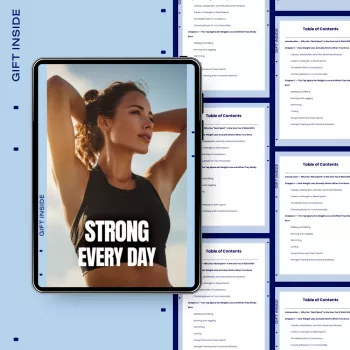
For a structured path with clear exercises and step-by-step practices, consider Emotional Resilience: Practical Steps for Real Strength (ebook). A focused guide can make it easier to track triggers, build routines, and handle setbacks without spiraling.
Because relationships and communication affect stress levels, a complementary resource like Speak Easy: How to Talk to Anyone with Confidence and Authentic Charm (ebook) can help with boundary conversations, conflict repair, and clearer requests for support.
Noticeable improvement can show up in days to weeks when you practice one or two small skills daily, especially body-calming and boundary habits. Deeper, more automatic change usually builds over months, driven by consistency more than intensity.
Start with body-first tools: a longer-exhale breathing pattern, grounding through your senses, brief movement, and hydration. Once you feel even slightly steadier, choose one small “next right step” and avoid making big decisions while highly activated.
No—resilience includes feeling emotions, naming them, and responding skillfully. Suppression often increases stress and can lead to stronger rebound reactions later; resilience is more like acknowledging “I’m anxious,” then using a reset and taking a constructive next step.






Leave a comment