A matched pair of bedside tables with built-in charging can reduce cable clutter, keep essentials within reach, and make a bedroom setup feel more intentional. A powered set also solves a common problem: the “one outlet behind the bed” situation that leads to dangling cords, overloaded adapters, and hard-to-reach chargers. Below are practical ways to choose, place, and use a 2-piece bedside set so both sides of the bed feel equally functional—without turning your nightstand into a cord nest.
What a powered 2-piece bedside set adds to a bedroom
- Keeps daily items (phone, glasses, book, water) close without stretching cords across the bed.
- Creates a symmetrical, finished look for primary bedrooms and guest rooms.
- Helps consolidate charging for phones, tablets, e-readers, watches, and small lamps.
- Reduces reliance on extra power strips when outlets are limited or poorly placed.
- Supports flexible layouts: each side can be used for charging, lighting, and storage simultaneously.
Quick product snapshot
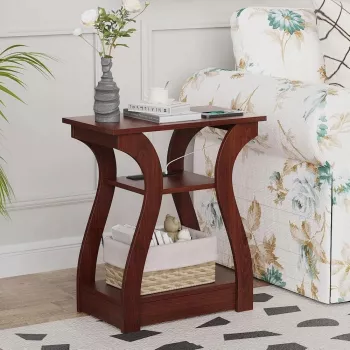
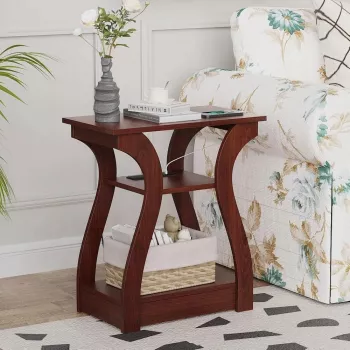
If your bedside routine includes charging multiple devices (often on both sides of the bed), a set with integrated power keeps everything in one place and makes the surface feel less chaotic. The 2-Piece Bedside Table Set with USB Ports and Outlets is designed for bedrooms where convenient access to power matters as much as surface space—especially helpful for renters or anyone who wants better charging access without changing wall wiring.
At-a-glance details
Choosing the right size and layout for comfort
- Height: Aim for the tabletop to be near mattress height so a lamp and phone are easy to reach while seated or lying down. A surface that’s too low encourages stretching; too high can feel awkward when you’re half-asleep.
- Top surface: Confirm there’s enough room for a lamp base plus a landing zone for a phone and a book without crowding the edges. If you like water at night, plan a stable spot that’s away from the power area.
- Drawer and shelf access: Ensure drawers open freely without hitting bed frames, baseboards, or curtain panels. If your bed has a wide foot or side rail, check that it won’t block the drawer pull.
- Left/right placement: Decide which side needs more charging access (for example, a CPAP side, or the side that charges a tablet). In some rooms, placing the “more device-heavy” side closer to the most convenient wall outlet makes setup cleaner.
- Cable paths: Look for a clean route from the table to the wall outlet so cords don’t cross walking lanes. The goal is a straight, tucked path behind furniture, not a diagonal cord across the floor.
USB ports and outlets: what to plug in (and what not to)
- Best uses: Phones, tablets, e-readers, small bedside lamps, alarm clocks, and chargers for wearables. These are typically low draw and fit the bedside workflow well.
- Avoid high-draw appliances: Space heaters, hair dryers, and similar devices should be plugged into appropriate wall outlets, not bedside furniture outlets. Keep the bedside setup focused on charging and lighting.
- Use the right cable: Quality USB cables and device-rated adapters help prevent overheating and slow charging. If a cable feels loose in the connector or shows damage, replace it.
- Keep liquids away: Place water on a coaster and away from the power area to reduce spill risk—especially if you tend to reach for it in the dark.
- Watch for heat: If a device feels unusually hot while charging, unplug and switch to a different cable/charger. Heat can also be a sign that a device is being charged under a pillow or blanket.
Safe setup and cable management
For broader electrical safety guidance around power strips and surge protection, see UL Solutions — Power Strips and Surge Protectors Safety and general home recommendations from the National Fire Protection Association (NFPA) — Electrical Safety Information. If you have children or pets, it’s also worth reviewing tip-over prevention practices from the CPSC — Tip-Over Prevention (Furniture Safety), especially when placing heavier items on top drawers.
Styling ideas that also improve usability
Who this set tends to work best for
More in-stock picks to consider
FAQ
Can a bedside table with built-in USB and outlets power a lamp and charge a phone at the same time?
Yes for typical bedside use, as long as you’re only powering low-draw items like a lamp and charging devices. Avoid plugging high-draw appliances into integrated outlets, and use device-appropriate chargers so you’re not stressing the power module.
Do USB ports on furniture charge as fast as a wall charger?
Sometimes, but not always—charging speed depends on the USB port’s power output and your device/cable combination. Some built-in USB ports are designed for steady overnight charging rather than modern fast-charging speeds.
What’s the safest way to route cords behind nightstands?
Keep a little slack so cords aren’t under tension, and make sure nothing is pinched between the wall and furniture. Use clips or a sleeve to keep cords off walking paths, and leave charging bricks ventilated so heat can dissipate.
Recommended for you


Leave a comment