HomeBlogBlogLow-EMF Far Infrared Home Sauna with Bluetooth Audio

Low-EMF Far Infrared Home Sauna with Bluetooth Audio

Low-EMF Far Infrared Home Sauna with Bluetooth Audio

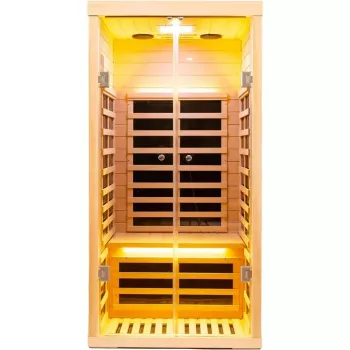
Home Far Infrared Low-EMF Indoor Wooden Sauna with Bluetooth Player

A compact indoor sauna can bring consistent heat therapy into a daily routine without dedicating an entire room. This mini far infrared wooden sauna focuses on low-EMF operation, comfortable indoor placement, and an easy way to unwind with built-in Bluetooth audio—designed for relaxing sessions that fit typical home schedules.

What This Mini Indoor Sauna Is Designed For

  • Compact, indoor-friendly footprint for apartments, bedrooms, home gyms, and wellness corners
  • Far infrared heat aimed at gentle, steady warmth rather than intense steam
  • Low-EMF focus for users who prefer reducing unnecessary electrical field exposure during sessions
  • Wooden cabin feel for a warm, spa-like atmosphere at home
  • Bluetooth player support to pair music, podcasts, or guided breathwork

Far Infrared Heat: What It Feels Like

Far infrared cabins are often chosen by people who want heat without the “steam-room” intensity. Instead of filling the air with humidity, sessions tend to feel like a steady warmth that builds gradually—more like being comfortably heated than being surrounded by thick, hot air.

  • Warms gradually and comfortably, often perceived as less stifling than steam-heavy environments
  • Typically suits shorter daily sessions or longer low-intensity sessions depending on tolerance
  • Useful for post-workout recovery routines, wind-down rituals, or cold-weather comfort
  • Pairs well with hydration habits and a cool-down period afterward

For general heat-safety basics—especially for anyone new to hot environments—review guidance on preventing heat-related illness from the CDC and symptoms listed by NIH MedlinePlus.

Low-EMF Considerations and Everyday Safety

“Low-EMF” is a practical comparison point for shoppers looking at multiple infrared cabins, since designs and component layouts differ. While no electric appliance is truly “zero,” low-EMF-focused builds aim to reduce unnecessary electromagnetic field exposure during use.

  • Low-EMF design can be a deciding factor for users comparing multiple infrared cabins
  • Follow the manufacturer’s guidance on electrical outlet requirements and extension cord use (if permitted)
  • Keep water away from control components; infrared cabins are not designed to be sprayed down during operation
  • Allow ventilation around the unit; avoid pressing the cabin flush against heat-sensitive walls or furniture
  • If pregnant, managing cardiovascular conditions, or using medications that affect heat tolerance, consult a clinician before regular sauna use

For a balanced overview of infrared sauna considerations, including who should be cautious, see the Cleveland Clinic’s discussion of infrared saunas.

Indoor Setup: Placement, Power, and Comfort

A smooth setup is mostly about planning your “sauna zone” so it’s easy to use consistently. If stepping in feels like a hassle, sessions happen less often—so prioritize simple access and a comfortable post-session routine.

  • Choose a level surface with clearance for door swing and easy entry/exit
  • Place near a dedicated outlet when possible to minimize cable strain and trip hazards
  • Consider proximity to a bathroom or shower for convenient cool-down and rinse
  • Use a towel on the bench and a floor mat outside the door to manage sweat
  • Plan a cool-down zone: chair, water, and a light layer for post-session temperature swings

Bluetooth Audio and Session Experience

Built-in Bluetooth support can make sessions feel less like “waiting out the heat” and more like a short, restorative ritual. A reliable playlist or guided audio also helps maintain a consistent session length without checking the clock repeatedly.

  • Pair a phone or tablet for music, ambient playlists, meditation apps, or audiobooks
  • Keep device volume at a comfortable level to avoid prolonged high-volume listening
  • Create simple routines: 5-minute warm-up, 15–25 minutes steady heat, 5–10 minutes cool-down
  • Try guided breathwork or progressive muscle relaxation to amplify the “reset” feeling
  • Keep electronics outside the cabin unless the product instructions explicitly allow safe placement

Quick Comparison: Far Infrared vs Traditional Steam Saunas

At-a-Glance Differences

Feature Far Infrared Indoor Cabin Traditional Sauna (Steam/Heater)
Heat experience Gentler, steady warmth; less humid Hotter ambient air; may include steam
Typical home setup Plug-in indoor placement (model-dependent) Often needs dedicated heater, ventilation, and higher installation demands
Humidity Dry Dry to humid (when water is added to rocks)
Best for Daily relaxation routines, mild-to-moderate heat preference Classic sauna enthusiasts who like higher heat and/or steam

Care and Maintenance for a Wooden Indoor Sauna

Who This Type of Sauna Fits Best

Product Snapshot and Where to Buy

More In-Stock Picks

FAQ

How long should a far infrared sauna session be?

Many people start with 10–15 minutes and build gradually to 20–30 minutes as comfort improves. Prioritize hydration, step out if you feel lightheaded, and include a brief cool-down afterward.

What does low-EMF mean in an infrared sauna?

EMF refers to electromagnetic fields produced by electrical components and wiring. “Low-EMF” designs aim to reduce exposure during use, but levels vary by model and can be influenced by component layout and installation—check the manufacturer’s specifications for the most accurate details.

Can a wooden indoor sauna be used in an apartment?

Often yes if you have enough floor space, door clearance, and the correct outlet access, plus the ability to ventilate by airing the unit out after sessions. Confirm your lease/building rules, keep noise expectations realistic (generally low), and avoid extension-cord setups unless the manufacturer explicitly permits them.


Was this article helpful?

Yes No
Leave a comment
Top

Shopping cart

×