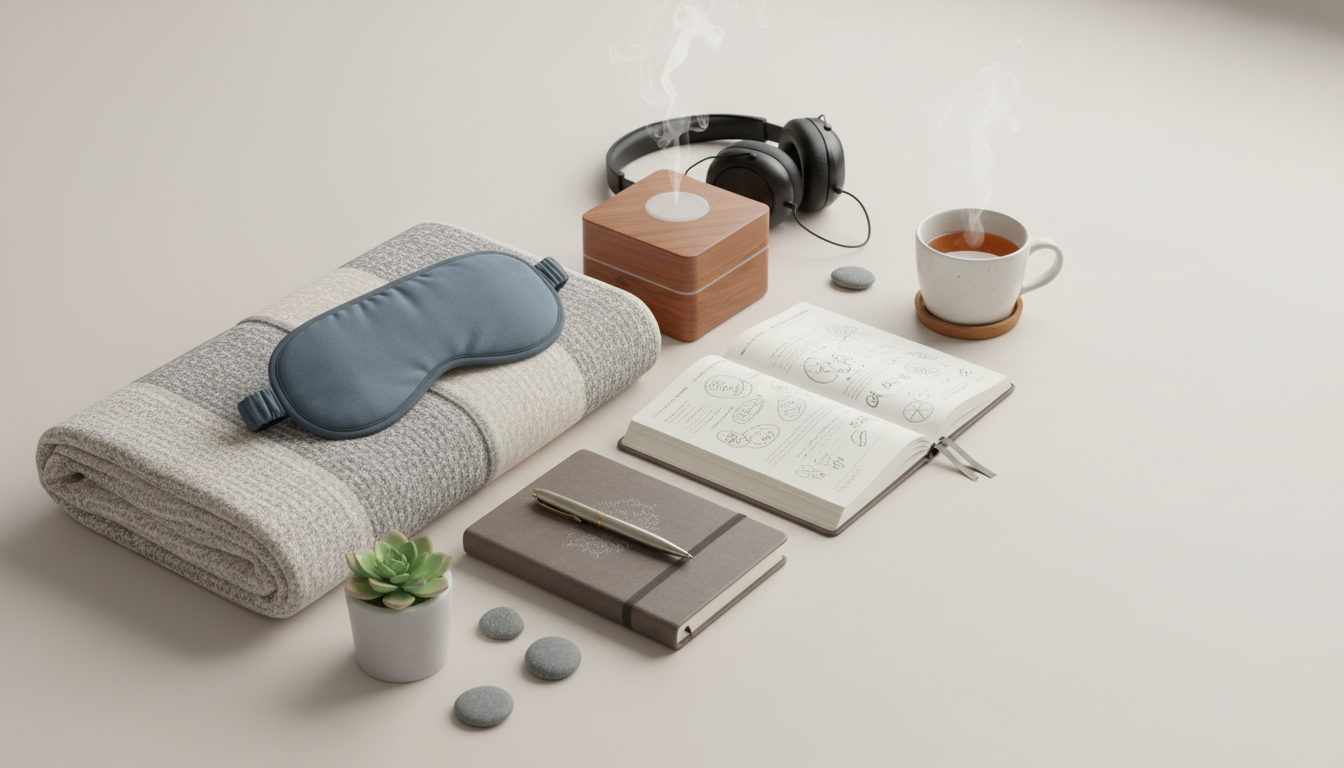
Social anxiety can feel like your mind is stuck in “threat detection” mode—scanning for judgment, replaying what you said, and predicting rejection before anything happens. Freeing your brain doesn’t mean forcing yourself to be fearless; it means retraining your attention and your body’s stress response so everyday interactions stop feeling like emergencies.
When anxiety spikes, name what’s happening: “I’m having a social anxiety thought.” That tiny distance reduces the mind’s tendency to treat thoughts as facts. Next, pick one narrow goal for the moment (make eye contact once, ask one question, stay five minutes). Smaller goals lower the “all-or-nothing” pressure that keeps the loop running.
Brains don’t “think” their way out of a fight-or-flight state very well. Try a 60–90 second reset: inhale through your nose, slow exhale (longer than the inhale), relax your jaw and shoulders, and unclench your hands. This sends safety signals that make it easier for thoughts to settle instead of spiral.
Confidence grows from repeated, tolerable reps. Choose low-stakes social exposures—brief chats with a cashier, a short class, or a quiet gym visit—then repeat until the situation feels familiar. If a setting is overwhelming, reduce intensity (go at off-peak times, bring headphones, or follow a simple plan) instead of quitting entirely.
Post-event “autopsies” keep social anxiety sticky. Set a rule: one quick reflection (What went okay? What’s one tweak?) then redirect to a concrete activity. The goal is to teach your brain that social moments end, and life continues normally.
If the gym is a major trigger, a structured, low-pressure approach can make exposures easier and more consistent. See the step-by-step guide here: https://jocunda.com/guide-low-pressure-gym-plan-social-anxiety/.
Familiarity doesn’t always remove the fear of being judged or disappointing others. With people you know, the stakes can feel higher because you care about their opinion and the relationship.






Leave a comment