
An AI plan for weight loss is a personalized nutrition-and-lifestyle roadmap created using data about your body, habits, and preferences. Instead of handing you a one-size-fits-all diet, AI tools analyze inputs like your age, height, weight, activity level, food likes/dislikes, schedule, and goals to generate daily calories, macros, meal ideas, grocery lists, and habit targets you can actually follow.
Most AI plans start by estimating your daily energy needs and then applying a moderate deficit to support fat loss while protecting energy and performance. Many will also suggest a protein target to help preserve lean muscle and keep you fuller longer.
AI-driven meal planning can filter recipes by dietary style (high-protein, Mediterranean, vegetarian), allergens, cooking time, budget, and even “no-cook” days. The best plans prioritize repeatable meals, simple prep, and consistent portions—three things that make weight loss easier to sustain.
As you log progress (weight trend, hunger, adherence, workouts), the plan can adjust calorie ranges, swap meals, and recommend small habit upgrades. This flexibility is a key advantage: it’s easier to stay consistent when the plan changes with your life.
Choose tools that show clear calorie/protein targets, offer whole-food meal options, and let you customize for medical needs and preferences. It should encourage gradual change, not extreme restriction, and it should be transparent about how targets are calculated.
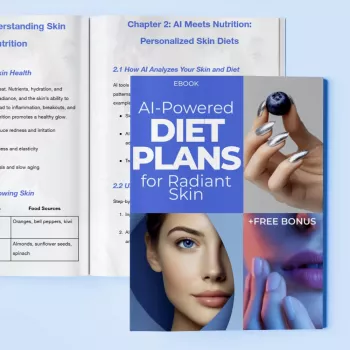
Use AI as a coach, not a rulebook. If you’re pregnant, have a history of disordered eating, take glucose-altering medications, or manage a medical condition, confirm any plan with a licensed clinician. For a nutrition-first approach that emphasizes smart planning and food quality, see this guide: AI skin-first meal plans and smart nutrition.
They’re useful starting points, but they’re estimates. Accuracy improves when you track for 2–4 weeks and adjust based on your weight trend, hunger, and performance.






Leave a comment