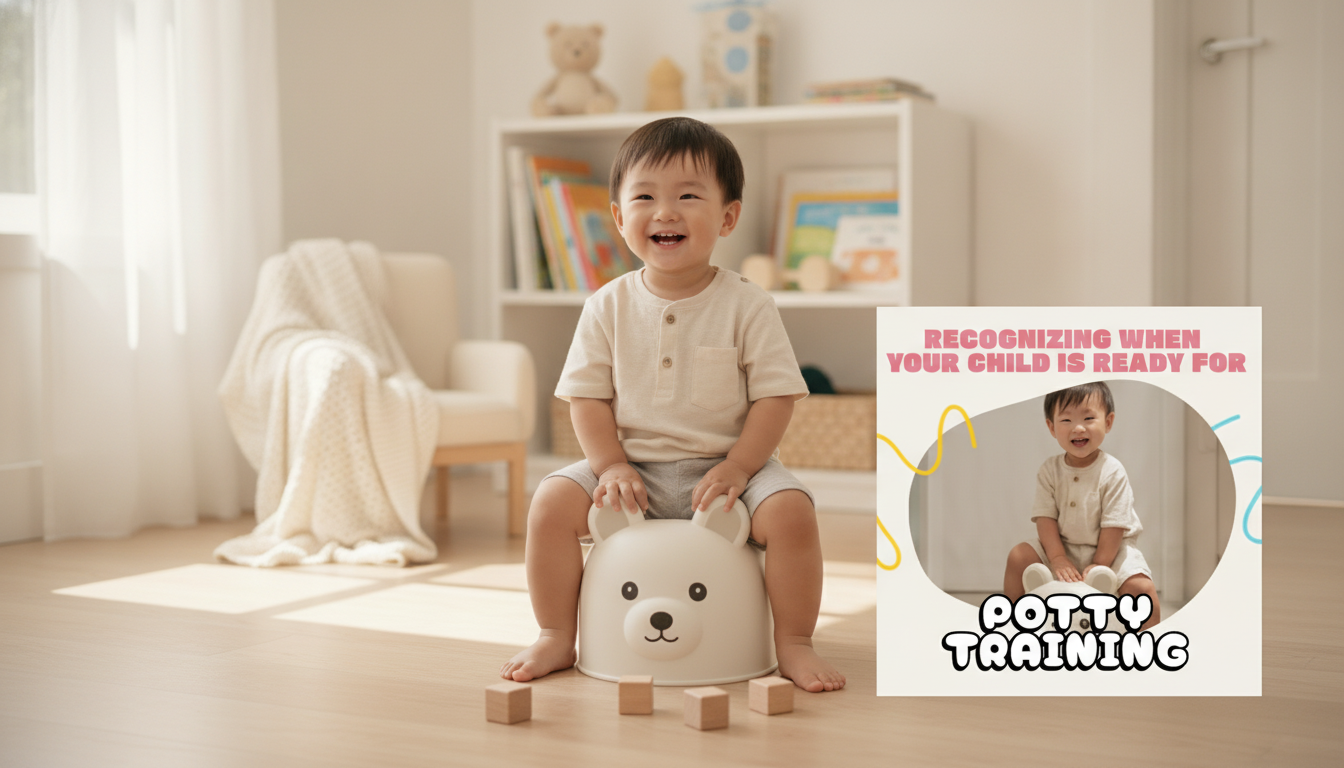
Potty training tends to go more smoothly when it starts at the right time for the child—not just the calendar. Readiness shows up as a cluster of physical, cognitive, and emotional skills that make toileting feel doable rather than stressful. Use the signs below to decide whether to start now, prepare for later, or pause and revisit in a few weeks.
Potty training readiness is less about age and more about a blend of body control, communication, and willingness. A child who can stay dry for longer stretches, express needs in some consistent way, and tolerate a new routine is typically easier to guide through the learning curve.
Age ranges vary widely: some toddlers show many readiness signs around 18–24 months, while others don’t hit a strong cluster until 3–4 years. “Ready” also doesn’t mean zero accidents—accidents are part of learning. And nighttime dryness is a separate milestone that often comes later due to biology, not effort or discipline. Guidance from sources like the American Academy of Pediatrics and the Mayo Clinic emphasizes following the child’s signals and keeping the process calm and consistent.
If daily life is already disrupted—new sibling, a move, illness, or a major childcare change—a short delay can lower frustration for everyone and prevent a tough start that needs undoing later.
If constipation or painful stools are in the picture, address that first. Discomfort can make a child avoid the potty and start withholding, which can quickly spiral into a longer struggle.
Communication doesn’t have to be perfect speech. If a child can reliably signal “something is happening” and accept a prompt to try the potty, that can be enough to start building the routine.
Willingness matters. A child who can try, fail, and try again—without the moment turning into a power struggle—usually progresses faster than a child who feels pushed.
Look for clusters: one sign alone rarely predicts success; several signs across categories usually do. If most signs are present, consider a gentle start window (a few days with extra time at home). If signs are mixed, focus on prep skills (clothing practice, bathroom familiarity, routine language). If very few signs are present or there is strong resistance, pause and revisit in 3–6 weeks.
| Area | What to watch for | Ready now | Prep first | Pause |
|---|---|---|---|---|
| Physical | Dry stretches, predictable poop, can sit/stand | Mostly present | Some present | Rarely present |
| Communication | Signals need to go; follows simple steps | Consistent signals | Inconsistent signals | No clear signals |
| Emotional | Willing to try; handles interruptions | Cooperative/curious | Mixed | Highly resistant |
| Environment | Caregiver time; consistent plan; childcare aligned | Stable and consistent | Minor obstacles | Major disruptions |
If you want a structured, reusable format, the Printable potty training readiness guide and toddler development checklist can be saved, printed, and revisited after a pause so progress is easy to spot without starting over.
For caregivers who want an extra resource on staying calm and clear during routines (especially when coordinating with other adults), Speak Easy: How to Talk to Anyone with Confidence and Authentic Charm can support simpler phrasing, smoother handoffs, and fewer miscommunications during the training phase.
There isn’t one best age—readiness varies widely. Many children show signs between 18 months and 3 years, but starting before key readiness skills are in place can make the process longer and more stressful.
Look for multiple strong signs across more than one category (physical control plus communication and willingness). If signs are mixed, focus on “prep” skills for a few weeks and reassess.
No. Nighttime dryness is often biological and separate from daytime training, so many children learn daytime toileting first and continue using overnight protection for a while.







Leave a comment