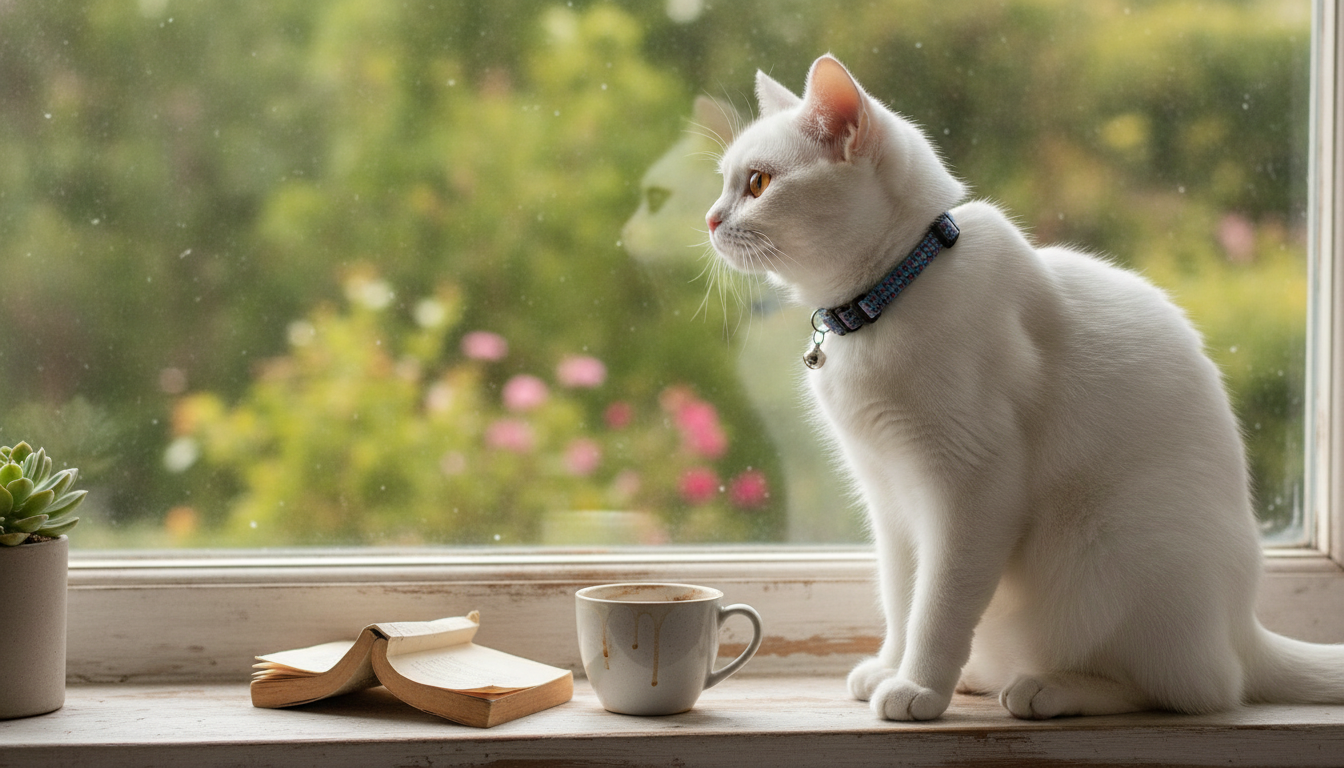
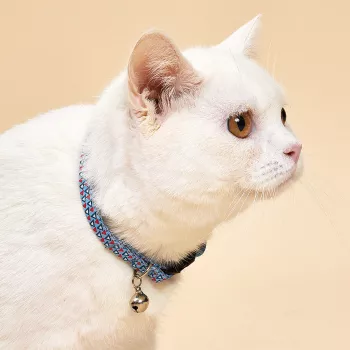
A cat collar can be both a style statement and a safety tool. This colorful geometric option pairs an adjustable fit with a breakaway clasp and a small bell—designed to help with everyday visibility, identification, and peace of mind for indoor and outdoor routines. If you like practical gear that still looks great in photos, a bold pattern and lightweight build can make daily wear feel simple and fun—while still keeping smart safety habits front and center.
Some collars look cute but don’t hold up to real life; others are practical but feel bland. This collar aims for the middle ground: personality, plus everyday features that make sense for cats.
If you’re shopping for an affordable, colorful option, see the Colorful Geometric Cat Collar with Bell – Adjustable & Breakaway for current availability and pricing.
Collar safety matters most when cats climb, squeeze behind furniture, or explore outside. Breakaway collars are commonly recommended because they’re designed to open if caught on furniture, fencing, or branches. That said, “breakaway” doesn’t mean “set it and forget it”—a quick routine check helps ensure the buckle stays functional and the fit stays comfortable.
| Check | What to look for | How often |
|---|---|---|
| Fit | Two-finger spacing between collar and neck | Weekly |
| Clasp | Opens and closes smoothly; no cracks | Weekly |
| Bell | Secure attachment; not bent or sharp | Weekly |
| Skin/Fur | No rubbing, hair loss, or redness | First week daily, then weekly |
| Adjustments | Not too tight after growth/weight change | After vet visits or noticeable changes |
For extra peace of mind beyond collars and tags, microchipping is a strong backup identification method. The American Veterinary Medical Association (AVMA) overview of microchipping explains why it’s commonly recommended and how it supports reunification if a pet gets lost.
Adjustability is what turns a cute collar into a wearable one. A collar that’s too loose can slip off; too tight can irritate skin and fur. The goal is a secure, comfortable fit that stays consistent as your cat grows or changes weight.
A helpful starting point is letting your cat wear the collar for short, positive sessions—then gradually increasing time once you’re confident there’s no rubbing and the buckle behaves as expected.
Bells are a love-it-or-leave-it feature. Some households swear by them; others prefer quiet. The nice part is that bells are usually simple to manage once you know what to watch for.
If your cat spends time outdoors, you may also like the Humane Society’s guidance on safer routines and precautions: Keeping Cats Safe.
For a broader overview of cat identification options (collars, tags, and more), the ASPCA’s cat care resources are a solid reference point.
| Item | Details |
|---|---|
| Product | Colorful Geometric Cat Collar with Bell – Adjustable & Breakaway |
| Price | 2.32 USD |
| Availability | In stock |
| Link | View product |
If you’re also refining your cat’s routine beyond accessories, Comparing Pet Food Like a Pro | Digital Checklist for Pet Parents can help you evaluate labels and ingredient lists in a more organized, less overwhelming way.
Use the two-finger rule: the collar should be snug enough not to slip over the head, but loose enough to fit two fingers between the collar and the cat’s neck. Recheck fit often for kittens, since growth can change sizing quickly.
Breakaway collars are designed to release if snagged, which can reduce the risk of choking or getting trapped. Inspect the buckle regularly and supervise initial wear to confirm it opens as intended and stays comfortable.
A bell can help you locate your cat and may warn wildlife outdoors, but some cats dislike the sound. If your cat seems stressed or irritated, removing the bell (if detachable) or switching to a quieter option can be a better fit.





Leave a comment