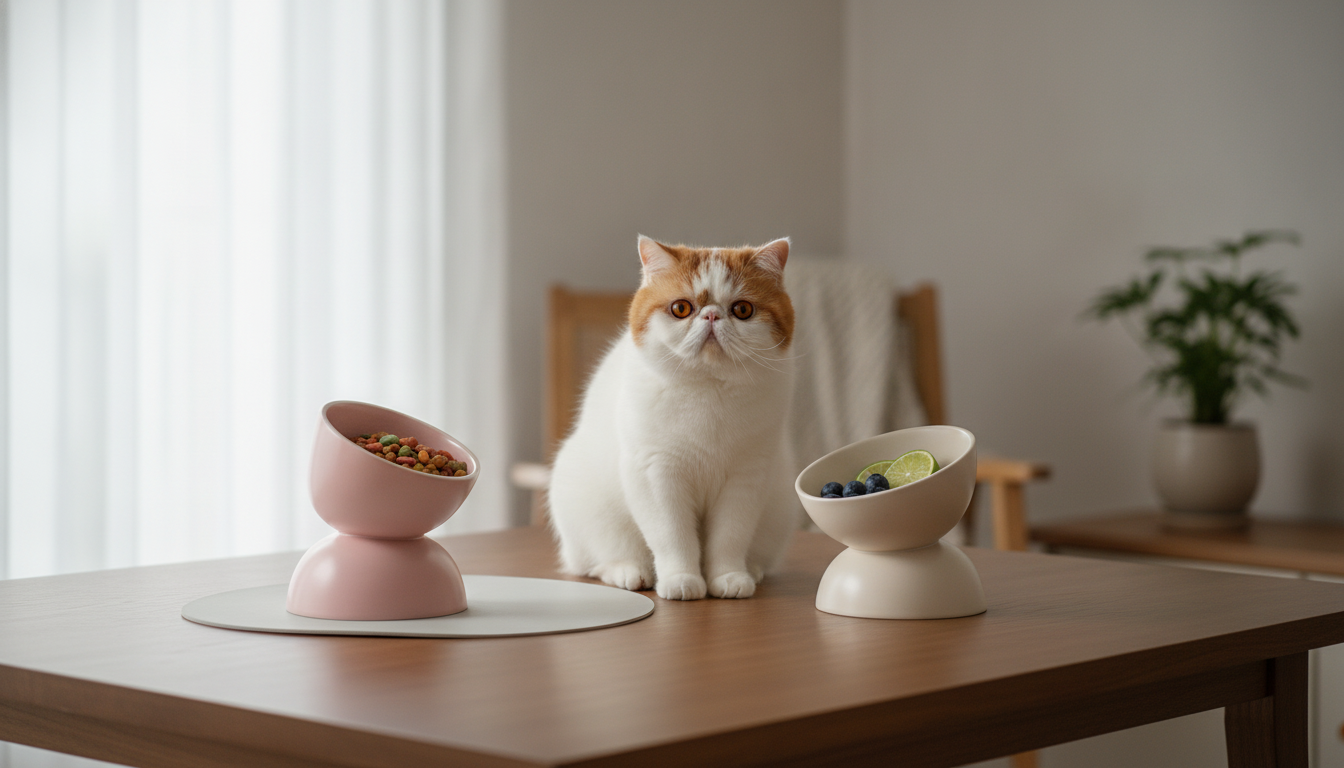
A raised, stable bowl can make mealtimes calmer and cleaner—especially for cats and small dogs that nudge, paw, or push their dishes around. This high-foot ceramic bowl is designed to help reduce sliding and tipping while keeping food and water at a more comfortable height.
Not all pet bowls behave the same once your cat starts “digging” at kibble or your small dog bumps the rim to chase the last bite. A high-foot ceramic bowl combines elevation with a stable footprint to keep feeding areas neater.
If spills or sliding are part of your daily routine, these practical details matter more than a trendy shape or color. The goal is steady placement, comfortable posture, and easy sanitation.
For general pet care guidance and best practices, reputable resources like the American Veterinary Medical Association (AVMA) and the ASPCA are helpful references.
The High Foot Anti-Tip Ceramic Pet Bowl for Cats & Small Dogs is designed with a raised pedestal shape that supports steadier feeding for pets who tend to push their dishes around. The ceramic body adds welcome weight, and its clean look fits easily into most feeding corners without drawing attention to mess.
| Detail | What to know |
|---|---|
| Product | High Foot Anti-Tip Ceramic Pet Bowl for Cats & Small Dogs |
| Material | Ceramic |
| Best for | Cats and small dogs |
| Use cases | Dry food, wet food, water |
| Price | 44.67 USD |
| Product page | View product |
Raised bowls aren’t one-size-fits-all. The “right” height is the one that lets your pet eat and drink with a relaxed stance—no crouching low and no stretching up.
If you’re evaluating a food change while upgrading bowls, keeping meals consistent helps you notice what’s improving. The Comparing Pet Food Like a Pro digital checklist can be a handy way to compare labels and ingredients without overcomplicating the process.
An anti-tip bowl can reduce everyday mess, but it’s not magic. Knowing what it’s good at (and what still needs training or routine adjustments) sets realistic expectations.
A sturdy bowl still needs basic hygiene to keep odors down and help protect your pet’s health. For pet food handling and safety information, the U.S. Food & Drug Administration (FDA) offers useful background on pet food topics.
If your dog’s eating habits shift alongside changes in posture or movement, it helps to watch for discomfort signals. The Spotting Signs of Pain in Dogs printable checklist can support what to notice between veterinary visits.
Some cats and small dogs appear more comfortable with a modest lift, especially if it helps them keep a more neutral neck position. The best option is the height that supports relaxed posture and steady eating or drinking for your specific pet.
Anti-tip bowls typically reduce spills by using heavier materials like ceramic and a wider base that resists sliding and wobbling. Placement still matters, and pets that tip bowls as play may also need a mat or a quieter feeding spot.
Clean ceramic bowls daily with warm water and dish soap, and refresh water daily as well. Replace the bowl if you notice chips or cracks, since damaged surfaces can trap residue.




Leave a comment