
New Balance drops can feel random until you start noticing the same levers getting pulled over and over: how pairs are allocated, which partners get first crack, why certain releases are regionally delayed, and what “limited” really means when it’s stamped on a product page. For collectors, the goal isn’t to chase every rumor—it’s to build a repeatable framework that improves hit rates, reduces panic buys, and makes resale or hold decisions more rational.
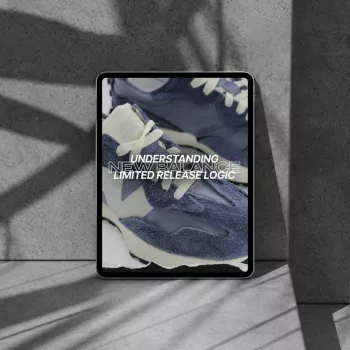
If you want a structured, quick-reference approach built specifically around New Balance release behavior, Understanding New Balance Limited Release Logic – Ultimate Sneaker Collector’s Guide eBook breaks down the pathways, timing patterns, and practical tracking habits that matter most.
“Limited” isn’t one single category at New Balance—it’s a spectrum. Some releases are genuinely scarce due to production constraints, while others are “limited” because of where they’re sold, not necessarily how many exist globally.
For official brand context and regional storefront differences, start with New Balance and New Balance (UK).
Allocation is the hidden engine behind most “why was this so hard?” moments. Different channels receive different inventory pools, and those pools can be split again by region, account tier, and even size curve priorities.
| Route | Typical access method | What it often signals |
|---|---|---|
| New Balance online drop | Queue/launch page | Wider reach, but traffic spikes can make sell-outs feel instant |
| Boutique raffles | Entry window + draw | Limited distribution; higher chance for collabs and special colorways |
| Retailer online FCFS | Drop time + cart race | Speed-focused; bots may be a factor depending on retailer tooling |
| In-store only / regional | Local pickup or wristbands | Geographic scarcity; resale premiums can vary by city |
| Staggered launch | Multiple dates by region/store | Second chances appear later; prices may soften after wider rollout |
Release calendars are best treated as “current best-known plans,” not guarantees. New Balance timing shifts happen for mundane reasons that still matter to collectors trying to plan entries and cash flow.
Understanding New Balance Limited Release Logic – Ultimate Sneaker Collector’s Guide eBook is designed for collectors who want pattern recognition, not noise. It focuses on the mechanics behind limited drops—allocation pathways, channel behavior, timing shifts, and the practical habits that raise your odds without turning every release into a time sink.
For collectors who like organizing their process beyond sneakers—tracking launches, budgets, and long-term goals—these in-stock digital resources can complement a more disciplined routine: No-Buy Year Wardrobe Discipline Toolkit | 3-in-1 Digital Bundle for Fashion Enthusiasts and AI-Powered Diet Plans for Radiant Skin | Smart Nutrition Guide.
For transparency standards around endorsements and claims in advertising, see the FTC Guides Concerning the Use of Endorsements and Testimonials in Advertising.
Retailers can have different allocation agreements and launch schedules, and inventory is often split by region and account tier. Campaign timing can also prioritize specific partners for storytelling, early access, or exclusive windows.
Sometimes, but many restocks are small and inconsistent. Returns can trickle in, late shipments can create modest second chances, and planned additional waves are less common but can noticeably increase availability.
Enter multiple legitimate raffles, track entry deadlines carefully, and keep account and payment details consistent to reduce verification issues. Focus on stores that reliably ship to your region and follow their instructions closely.






Leave a comment