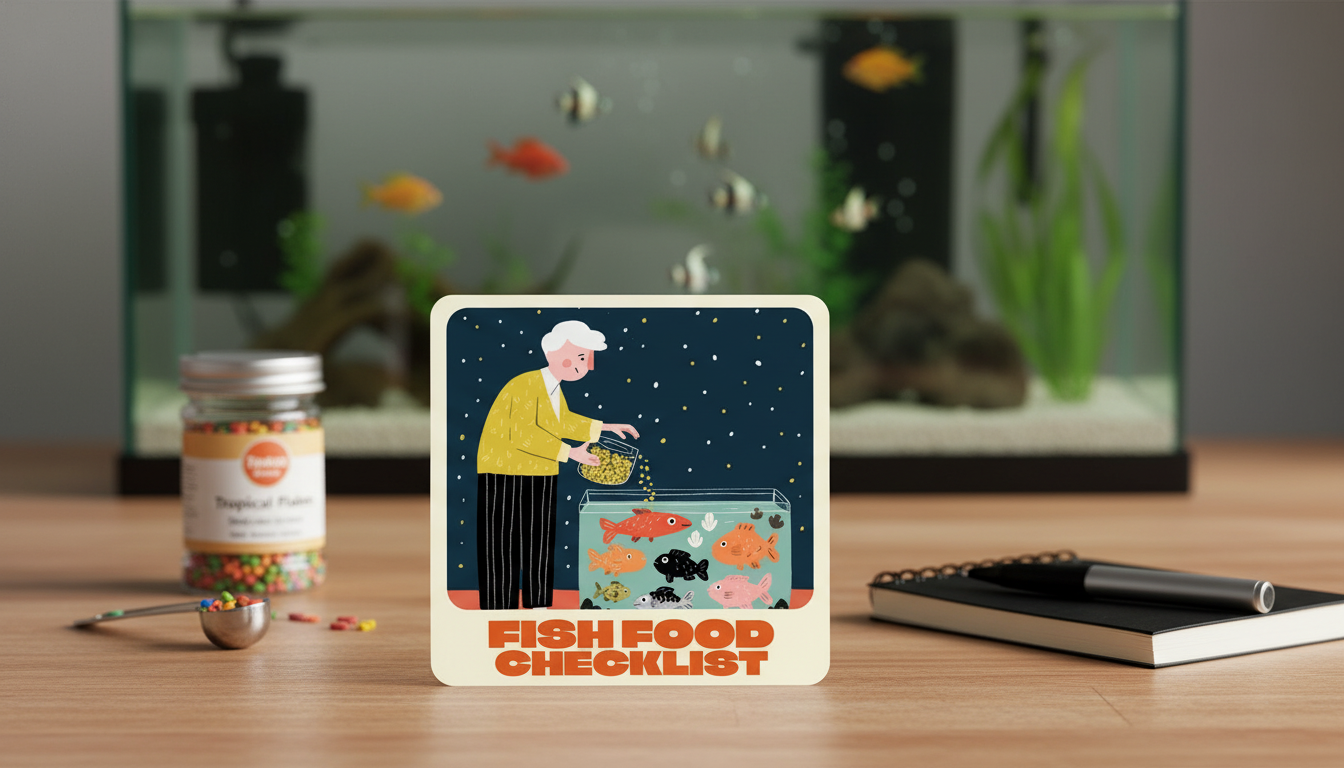
If you’re out of fish food, a healthy adult fish can usually go a day or two without eating while you get an appropriate food. That is often safer than offering an unfamiliar or unsuitable human food. Fish fry, sick fish, and some species with special diets may need more careful advice from an aquatic veterinarian or knowledgeable fish-care professional.
If you need a short-term option, choose a plain food that suits your fish’s natural diet, and offer only a tiny portion. Many omnivorous freshwater fish may accept a small piece of blanched, shelled pea or soft blanched zucchini. Herbivorous fish may take suitable soft vegetables, while carnivorous fish need animal-based foods; don’t assume a vegetable is right for them. Remove any uneaten food within a few minutes so it doesn’t foul the water.
Don’t feed bread, crackers, cereal, seasoned leftovers, salty or sugary foods, dairy, or processed meats. These foods can be difficult for fish to digest or can quickly pollute the aquarium. Avoid adding oils, sauces, spices, or other seasonings, and don’t make emergency foods a regular replacement for a complete fish diet.
Match the food to your fish’s species and feeding habits. Flakes or small pellets may work for many common community fish, while bottom feeders, surface feeders, herbivores, and carnivores may need different textures or formulas. Feed small portions and adjust based on what your fish finish without leaving waste behind. Our beginner fish food checklist and feeding guide can help you choose a suitable everyday option.
Don’t keep adding food or try a series of random household ingredients. Remove what’s uneaten, keep the aquarium clean, and return to a species-appropriate fish food as soon as you can. If your fish is unusually lethargic, shows other signs of illness, or continues refusing its usual food, seek advice from an aquatic veterinarian.
Many adult aquarium fish do well with one or two small feedings a day, but the right schedule depends on the species and life stage. Offer only what your fish can eat promptly, and follow guidance specific to your fish.





Leave a comment