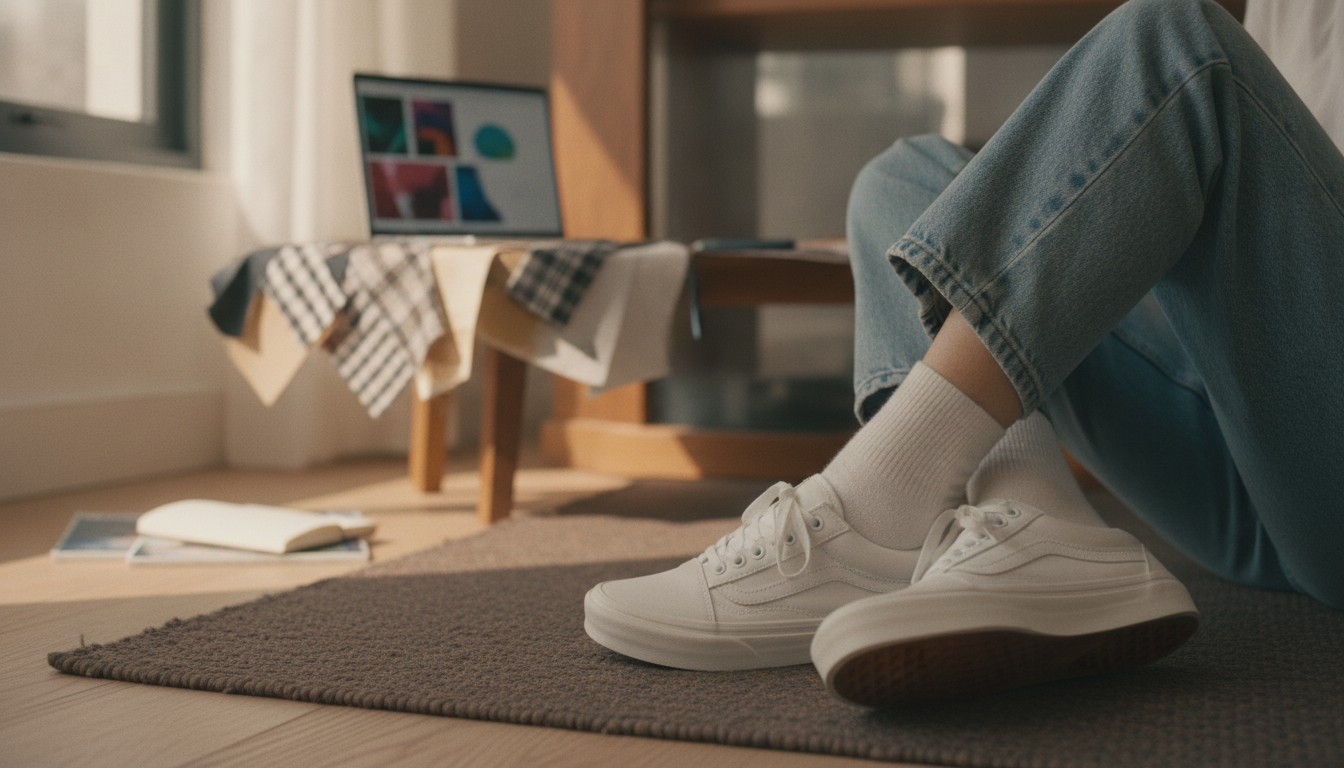
Vans is one of the most remixable sneaker ecosystems in street culture—simple silhouettes, recognizable sidewalls, and endless collaborations. A smart, AI-powered approach can help identify what makes a Vans look “work,” translate that into repeatable outfit formulas, and build design references for content, product drops, or digital styling—without losing the human eye for taste and context. For more guidance, see Strategy Design of AI-generated Customization for Streetwear ….
At its core, “Vans style” is a visual language built on a low profile, flat sole, and skate DNA. The uppers tend to stay minimal (canvas or suede panels, clean toe shapes), while the sidewall and foxing tape create a bold, consistent frame that reads instantly from a distance. For further reading, see Vans Social Media Strategy: Case Study.
That balance is why Vans pairs so easily with both utilitarian workwear and clean contemporary fits: the silhouette is neutral enough to sit under almost any pant leg, but the textures (rubber, suede, canvas) add contrast that keeps an outfit from feeling flat.
When breaking down a look, watch for “style signals” that change the entire read of the shoe:
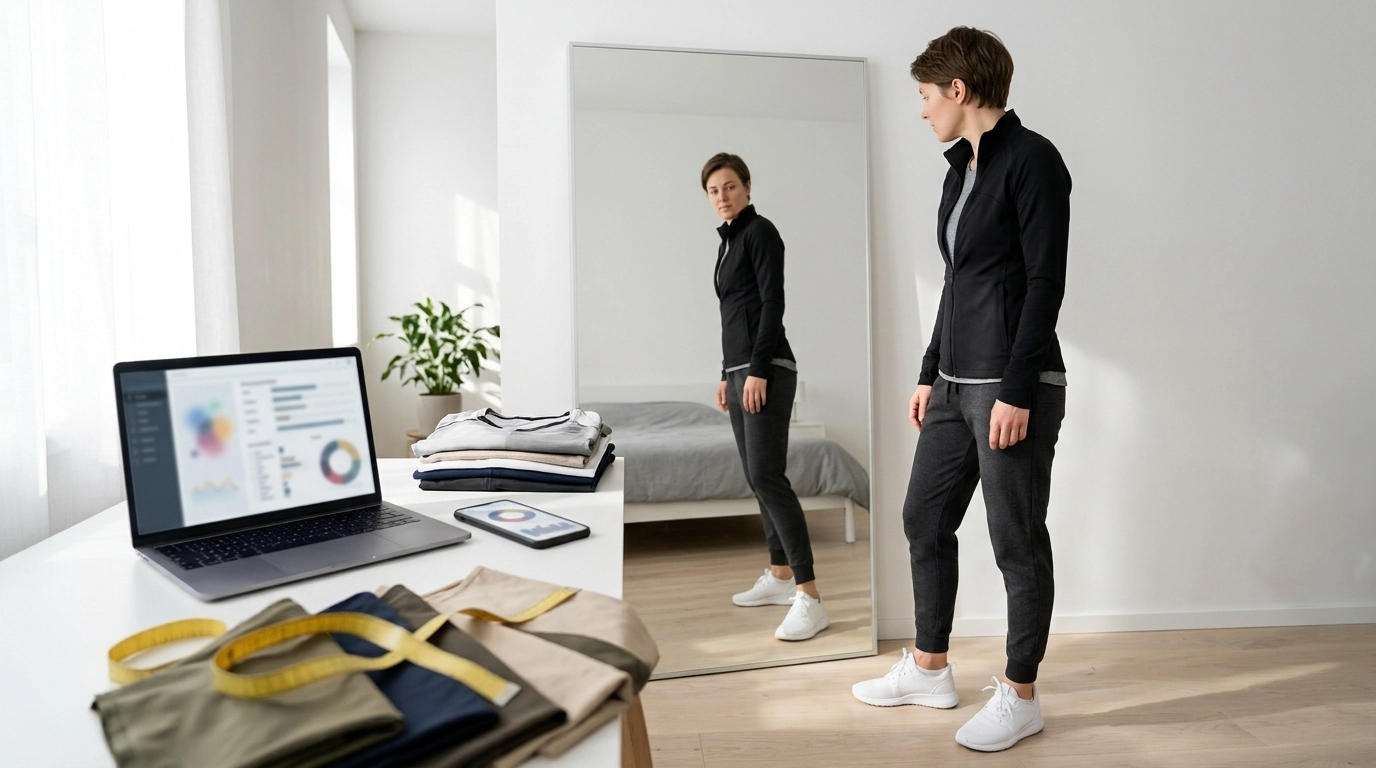
AI shines when the goal is to spot repeatable patterns across lots of Vans outfits. With a big enough reference set, it can cluster similar looks (e.g., Old Skool with straight denim vs. Sk8-Hi with wide cargos), extract dominant color palettes, and surface recurring pairings like sock height, outerwear shapes, and pant breaks. The practical win is speed: building reference boards that would normally take hours becomes a quick, structured process.
What still needs human judgment is the “why” behind the look: cultural context, event appropriateness, proportion on a specific body, and intentional rule-breaking. AI can tell you what’s common; it can’t decide what’s right for a particular scene or personal identity.
A practical workflow that keeps things grounded:
| Silhouette | Style signal | Works especially well with | Watch-outs |
|---|---|---|---|
| Old Skool | Classic contrast paneling; versatile street staple | Straight denim, cargos, overshirts, graphic tees | Too many competing panels/patterns can look noisy |
| Authentic | Minimal upper; clean and lightweight | Shorts, cropped pants, simple layering, tonal outfits | Low structure can feel underpowered with very bulky fits |
| Sk8-Hi | Higher line; skate heritage; stronger outfit anchor | Wide-leg pants, heavy flannels, bomber or chore jackets | Stacking too much volume up top can overwhelm proportions |
| Slip-On | Effortless; punchy pattern potential | Relaxed tailoring, monochrome fits, statement socks | Fit looks sloppy if pants hem pools excessively on the shoe |
| Era | Casual classic; slightly sportier than Authentic | Everyday streetwear basics, light jackets, relaxed denim | Avoid clashing sporty details if the rest of the outfit is formal |
| Platform variants | Elevated/statement; changes leg line | Cropped trousers, skirts, fitted tops, modern silhouettes | Proportions can skew if paired with overly stacked layers |
Use consistent naming and tagging so files stay searchable: silhouette + palette + vibe + setting (example: “OldSkool_Tonal_90sSkate_Outdoor”). Build a reference kit that includes a mood board, color rules, proportion guidelines, and clear do/don’t examples. For broader fashion research and historical context, the Metropolitan Museum of Art’s Costume Institute is a strong starting point.
The AI-Powered Vans Style Analysis eBook is built as a ready-to-use framework: how to spot style signals, turn them into outfit formulas, and create consistent visuals for content or design work. It’s a strong fit for sneaker collectors who want repeatable outfits, streetwear creators building lookbooks, and digital designers building libraries and references.
Creators who also want to present their work with more confidence on camera, in client calls, or during collabs may also like Speak Easy: How to Talk to Anyone with Confidence and Authentic Charm as a complementary digital resource.
For brand history and official product context, see Vans and the background overview on Vans (company).
It works for beginners and experienced sneakerheads. The focus is on simple, repeatable rules—silhouette, proportion, color, and texture—so it’s easy to apply gradually as your wardrobe grows.
No—AI is best as a pattern-finder and organizer, while personal style sets the direction. Cultural context, how something fits on-body, and when to break the “rules” are still human-led decisions.
It helps translate visual taste into usable assets: silhouette libraries, palette rules, texture references, and consistent tagging. That makes iteration faster and collections more cohesive across renders, posts, and product concepts.




Leave a comment