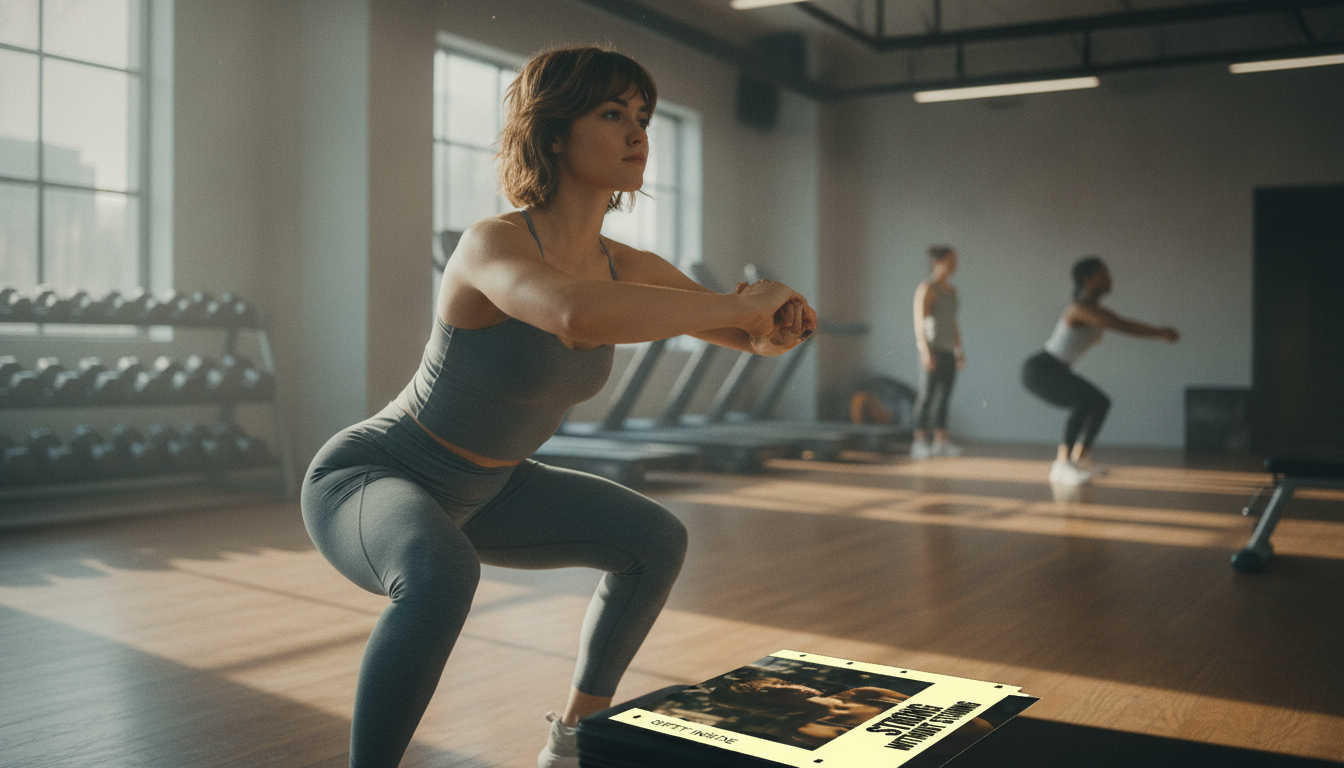
Gym anxiety can make even a simple workout feel like a performance. Strength still builds best through repeatable, low-drama sessions—especially when social anxiety turns mirrors, crowds, and unfamiliar equipment into stress triggers. The goal here is to make fitness feel doable: small steps, predictable routines, and practical ways to move through busy spaces without feeling watched, judged, or rushed.
Social anxiety often spikes in environments that feel open, bright, and unpredictable—exactly how many gyms are designed. Common triggers include wall-to-wall mirrors, open floor plans, crowded free-weight areas, and not knowing how to adjust a machine. When anxiety shows up mid-workout, it can look like rushing sets, skipping reps, leaving early, or avoiding certain zones entirely.
A helpful reframe: a workout is not a performance. It’s a practice. The “best” session is the one that can be repeated next week with roughly the same effort and stress level. If consistency improves when training at home or at off-peak hours, that’s a sign the environment—not motivation—is the main obstacle.
If social fear feels persistent and disruptive beyond the gym, learning more about symptoms and patterns can help you name what’s happening; the Mayo Clinic overview of social anxiety disorder is a clear starting point.
On high-anxiety days, the most effective plan is the smallest plan you’ll actually do: 10–20 minutes, one area of the gym, two movements. Keeping the structure predictable reduces decision fatigue—same warm-up, same order, same finish. Then, increase only one variable at a time (time, load, new equipment, or slightly busier hours) so your nervous system doesn’t feel ambushed.
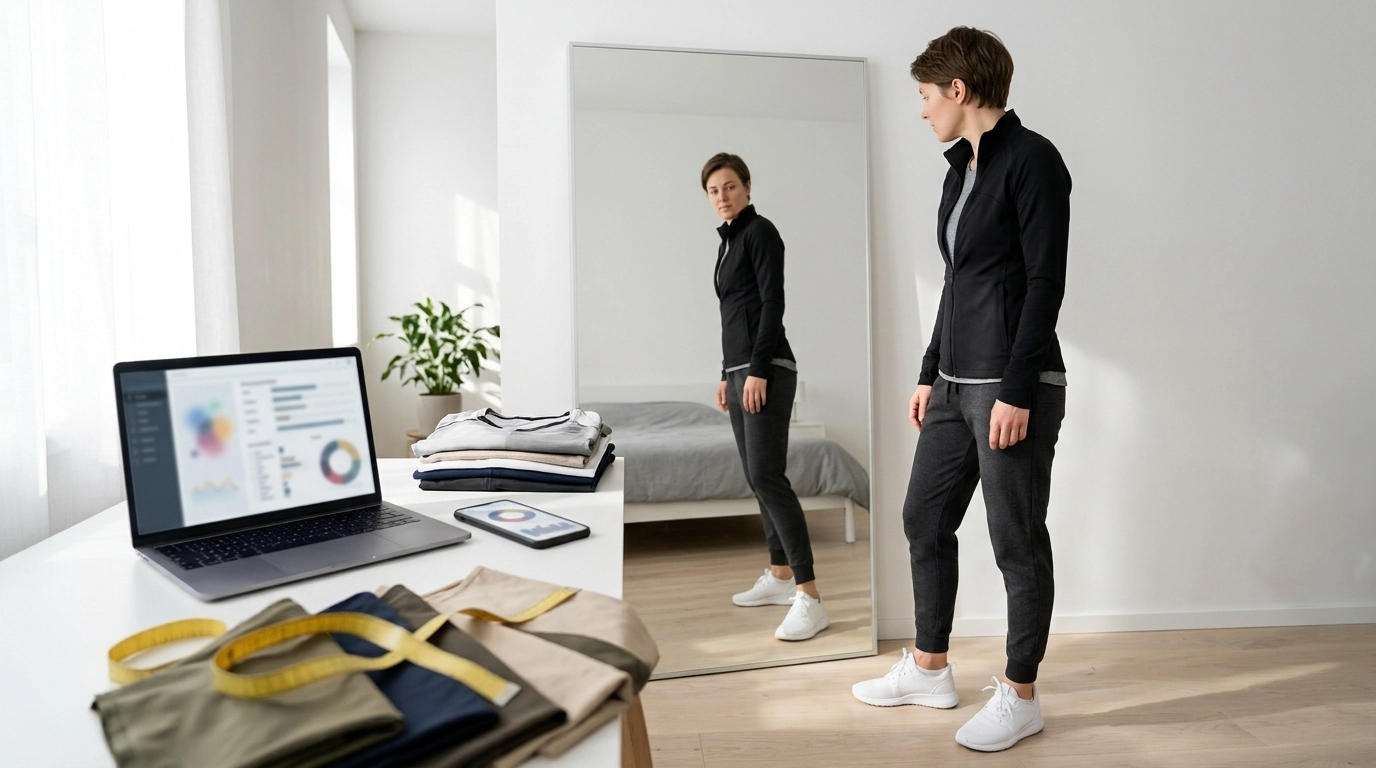
One of the fastest ways to build momentum is a “win log.” Track attendance and comfort (0–10) alongside basic notes like “felt tense near mirrors” or “calmer on machines.” That data becomes proof that your comfort can change.
| Week | Focus | Session Length | What to Add |
|---|---|---|---|
| 1 | Familiarity | 15–25 min | Repeat 2–3 exercises only |
| 2 | Consistency | 20–30 min | Add a short cooldown or walk |
| 3 | Expansion | 25–35 min | Add 1 new machine or dumbbell move |
| 4 | Confidence | 30–45 min | Try a slightly busier time OR one new area |
Small environmental choices can lower pressure immediately:
Think of this as removing friction. The fewer surprises you face once you walk in, the less your brain has to scan for threats.
Social anxiety often isn’t a lack of social skill—it’s a freeze response under pressure. Short scripts keep things simple and neutral:
Gradual, tolerable exposure is often used to reduce fear responses over time; the APA definition of exposure therapy explains the basic idea: repeated, safe contact with what you avoid can reduce anxiety’s intensity.
| Template | Exercises | Best For |
|---|---|---|
| Machine Circuit | Leg press, chest press, lat pulldown, seated row | Learning form with less self-consciousness |
| Dumbbell Corner | Goblet squat, dumbbell bench or floor press, one-arm row | Small footprint training |
| Quiet Cardio + Strength | 10-min walk + 2 strength moves + 5-min cooldown | High-anxiety days and consistency |
If a step-by-step structure helps, Strong Without Staring: Fitness Social Anxiety Tips eBook for Confident, Low-Pressure Workouts is built around predictable routines, low-pressure workouts, and realistic ways to navigate fitness spaces without overwhelm.
For general confidence in everyday conversations—like asking to work in on a machine or requesting help with a setting—Speak Easy: How to Talk to Anyone with Confidence and Authentic Charm offers practical communication tools that can make gym interactions feel less intimidating.
Use a minimum session: 10–15 minutes and just two exercises in one area. Keep variables the same (time of day, station, warm-up) and track attendance plus a comfort score instead of performance.
Machines are often easier because they feel contained and predictable, with fewer “where do I stand?” questions. Once comfort improves, add dumbbells or cables gradually—one new move at a time.
Pause and step to a quieter spot (restroom or lobby), then take slower breaths with longer exhales for a minute or two. Returning to finish one small set—or choosing to end safely—still counts as success.




Leave a comment